Leisure Sports Instructor Unlocking Your Future for Decades

webmaster

A professional female wellness coach, fully clothed in modest, professional activewear, gently guiding a male client, also fully clothed in appropriate athletic wear, through a mindful stretching pose in a bright, serene modern wellness studio. The large studio windows offer a calming view of a lush green landscape. The coach's expression is supportive and encouraging, conveying a sense of collaborative guidance and holistic well-being.
    *   safe for work, appropriate content, fully clothed, professional, modest, family-friendly, perfect anatomy, correct proportions, natural pose, well-formed hands, proper finger count, natural body proportions, professional photography, high quality, natural lighting.

If you’re anything like me, you probably stumbled into the world of leisure sports not just for a paycheck, but because you genuinely love seeing people move, grow, and truly thrive.

For years, I’ve poured my energy into guiding individuals through their fitness journeys, from scaling rock walls to mastering paddleboards, and what I’ve realized is that this isn’t just a fleeting hobby; it’s a dynamic, incredibly rewarding career with immense long-term potential.

But how does one navigate a path that seems to be constantly evolving? Is it really possible to build a sustainable, flourishing career out of something so hands-on and experience-driven?

The fitness landscape is shifting dramatically. We’re witnessing a massive surge in personalized wellness, blending physical activity with mental well-being, and even digital integration.

Think about it: the rise of virtual reality fitness experiences, AI-powered personalized training programs, and the increasing demand for sustainable outdoor adventures are reshaping how we interact with leisure sports.

As instructors, we’re no longer just shouting instructions; we’re becoming lifestyle architects, community builders, and even tech-savvy facilitators.

It’s a truly exciting, albeit challenging, time to be in this field, demanding adaptability and a keen eye for what’s next. Let’s explore this transformative career path in detail and uncover its true long-term potential.

Beyond Traditional Coaching: Evolving into Lifestyle Architects

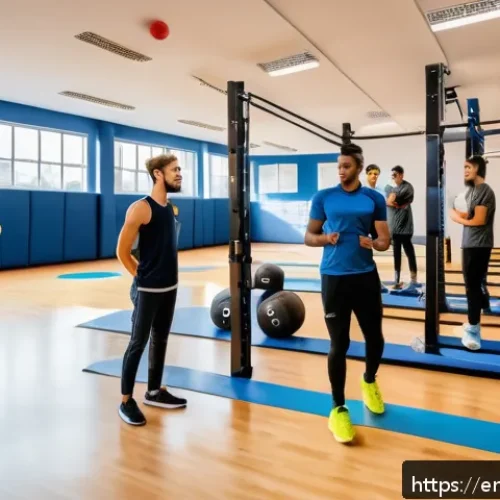
leisure - 이미지 1

The days of simply standing on the sidelines, whistle in hand, dictating drills are, frankly, becoming a relic of the past in the dynamic world of leisure sports. From my own journey, which has seen me guiding clients through everything from high-altitude trekking to intricate yoga flows, I’ve witnessed firsthand a profound shift. We’re no longer just instructors; we’re evolving into comprehensive lifestyle architects, intimately involved in our clients’ holistic well-being. This transformation demands a far broader skill set than just technical proficiency. It’s about understanding human psychology, building genuine rapport, and fostering environments where individuals feel truly seen and supported, not just physically but mentally and emotionally. It’s about moving from prescriptive instruction to truly collaborative guidance, empowering people to discover their own potential. I’ve learned that the most impactful sessions are often those where I act less like a drill sergeant and more like a trusted confidant, gently nudging clients towards their own epiphanies about movement and self-care. This deeper engagement is what truly elevates our profession and cements its long-term viability.

1. From Instructor to Holistic Wellness Guide

This pivotal shift means embracing a much wider scope of knowledge. When I first started, my focus was purely on technique and physical conditioning for, say, rock climbing. But over time, I started noticing how external factors – stress, sleep patterns, even nutritional habits – deeply impacted performance and enjoyment. I quickly realized that ignoring these elements meant I was only addressing half the equation. Now, my approach integrates mindfulness practices, stress management techniques, and even basic nutritional insights, because a client who is stressed or poorly nourished won’t truly thrive, no matter how perfect their form is. It’s about understanding that physical activity is just one piece of a much larger, intricate puzzle of well-being. This comprehensive perspective is not just beneficial for clients; it also makes our work infinitely more challenging and rewarding, demanding continuous learning and adaptation.

2. Cultivating Deeper Client Relationships Beyond the Session

Building a sustainable career in leisure sports hinges heavily on the relationships we forge. It’s not just about the hour or two you spend with a client during a session. True longevity comes from fostering a community and a sense of belonging. I’ve personally invested heavily in creating post-session check-ins, organizing small group meetups outside of formal training, and even hosting online forums where clients can share their progress and challenges. This extends the connection far beyond the gym or the trail. When clients feel genuinely connected and supported, they don’t just see you as a service provider; they see you as a vital part of their journey. This creates incredible loyalty and, importantly, a powerful network of referrals that naturally fuels long-term growth. It’s truly heartwarming to see the ripple effect of these genuine connections.

Harnessing Technology for Enhanced Client Engagement

The digital revolution isn’t just knocking on the door of the leisure sports industry; it’s already burst through, transforming how we connect, train, and innovate. For anyone serious about a long-term career in this field, embracing technology isn’t an option; it’s an absolute necessity. I remember being initially hesitant, thinking tech would dilute the hands-on experience I cherished. But I quickly realized it enhances it in ways I couldn’t have imagined. From personalized training apps to virtual reality experiences that transport clients to new environments, technology offers unparalleled opportunities to broaden our reach, deepen client engagement, and provide truly customized experiences. It allows us to transcend geographical boundaries, offering support and guidance no matter where our clients are. This isn’t about replacing human interaction, but rather about leveraging powerful tools to amplify our impact and efficiency.

1. Leveraging AI and Wearable Tech for Personalized Training

The advent of AI-powered analytics and sophisticated wearable technology has revolutionized personalized training. I’ve personally seen how data from fitness trackers – heart rate variability, sleep quality, recovery metrics – can provide invaluable insights that inform and refine training programs. Using AI-driven platforms, I can now analyze vast amounts of data to identify patterns, predict potential overtraining, and precisely tailor workouts to an individual’s unique physiological responses. This moves us beyond generic programs to truly bespoke coaching. For instance, I use a platform that not only tracks client progress but also suggests optimal recovery periods based on their previous session’s intensity and sleep quality. This level of precision was unimaginable just a few years ago, and it allows us to deliver results more effectively and safely than ever before, elevating our professional value significantly.

2. Virtual Experiences and Remote Coaching Opportunities

The pandemic, despite its challenges, accelerated the adoption of virtual platforms, opening up entirely new avenues for leisure sports professionals. I’ve found immense success in offering live online classes, pre-recorded workout libraries, and even virtual guided tours of outdoor spaces using drone footage and VR. This has allowed me to reach clients across different time zones and continents, expanding my market far beyond my local vicinity. Imagine guiding someone through a simulated hike in the Dolomites from the comfort of their living room, preparing them mentally and physically for their real-life adventure. This isn’t just a stop-gap solution; it’s a permanent expansion of our service offerings, providing flexibility for both trainers and clients, and truly diversifying our income potential.

Building a Sustainable Personal Brand and Community

In a crowded market, simply being good at what you do isn’t enough anymore. To build a truly long-term, flourishing career, you need to cultivate a recognizable personal brand and a vibrant community around your expertise. I remember feeling a bit awkward at first, thinking of myself as a “brand,” but I quickly realized it’s simply about authentically showcasing who you are, what you stand for, and the unique value you offer. Your brand is your promise to your clients, and your community is the living embodiment of that promise. This isn’t about chasing fleeting trends or superficial metrics; it’s about building genuine trust and resonance with the people you serve. It’s about establishing yourself as the go-to expert in your niche, making your name synonymous with quality, care, and transformative experiences.

1. Crafting Your Unique Value Proposition and Story

Every successful leisure sports professional has a story. What’s yours? For me, it started with a lifelong passion for the outdoors and a personal journey through injury that taught me the profound importance of mindful movement. This personal narrative, infused with genuine emotion and relatable challenges, became the bedrock of my brand. It’s not just about listing your certifications; it’s about articulating your “why” and how it translates into tangible benefits for your clients. Do you specialize in helping busy parents find time for fitness, or empowering seniors to regain mobility, or perhaps guiding adventurers through extreme challenges? Clearly defining your niche and telling a compelling story about how you arrived there makes you memorable and magnetic to your ideal clients.

2. Leveraging Social Media and Content Creation Strategically

Social media, when used thoughtfully, is an incredibly powerful tool for brand building and community cultivation. It’s not just for sharing selfies; it’s a platform to educate, inspire, and connect. I’ve found immense value in consistently sharing high-quality content – short instructional videos, inspiring client success stories (with permission, of course!), behind-the-scenes glimpses of my training, and thought-provoking insights on well-being. This establishes your expertise and builds trust long before someone ever books a session. Engaging with comments, answering questions, and participating in relevant online discussions transforms followers into a loyal community. It’s about providing value generously, proving your expertise, and fostering genuine human connection in the digital realm.

Diversifying Revenue Streams in the Wellness Economy

Relying solely on one-on-one sessions, while fulfilling, can limit your long-term income potential and create an unpredictable flow. To truly build a sustainable career in leisure sports, I’ve learned that diversification is key. The wellness economy is booming, and it presents a myriad of opportunities to create multiple income streams that complement your core coaching services. This isn’t about spreading yourself thin, but rather strategically leveraging your expertise and passion to serve a broader audience in different ways. It provides both financial stability and greater creative freedom, allowing you to scale your impact beyond the physical limits of your time. It’s about building a robust financial foundation that can withstand economic fluctuations and allow for continued growth and innovation.

1. Expanding Beyond Direct Coaching Services

Think beyond hourly rates. Consider developing digital products like e-books on specific training methodologies, online courses for self-guided fitness journeys, or even subscription-based access to exclusive content libraries. I’ve personally created a series of downloadable training plans for aspiring mountaineers, which generates passive income and broadens my reach. Another avenue is corporate wellness programs, where you can offer group sessions or workshops to businesses looking to improve employee health and morale. These larger contracts can provide significant revenue, and the impact can be immense. Look for opportunities where your specialized knowledge can solve a problem for a larger group or be packaged into a scalable product.

2. Exploring Affiliate Partnerships and Product Curation

As an expert in your field, you naturally use and recommend certain products – gear, supplements, apparel. Why not monetize those recommendations ethically? Affiliate marketing allows you to earn a commission by promoting products you genuinely believe in. I’ve partnered with a few outdoor gear companies whose equipment I trust implicitly, and when my clients purchase through my unique link, I earn a small percentage. Similarly, curating and even designing your own branded merchandise, from t-shirts to water bottles, can create a sense of belonging among your community while adding another revenue stream. The key here is authenticity; only promote what you genuinely use and endorse, maintaining trust with your audience above all else.

Navigating Certifications and Lifelong Learning

The leisure sports landscape is constantly evolving, with new research, methodologies, and technologies emerging all the time. To remain at the forefront of this dynamic field and truly secure a long-term career, continuous learning and strategic certification acquisition are non-negotiable. I’ve seen countless passionate individuals plateau because they stopped investing in their own education. For me, it’s not just about collecting letters after my name; it’s about genuinely deepening my understanding, refining my techniques, and ensuring I’m always offering the safest, most effective, and most innovative experiences to my clients. This commitment to ongoing education is a powerful signal of professionalism and dedication to your clients, boosting trust and authority.

1. Strategic Advanced Certifications and Specializations

Initial certifications are just the starting point. To truly stand out, consider advanced certifications that align with emerging trends or your specific niche. For instance, after years of general fitness coaching, I pursued specialized certifications in adaptive sports and wilderness first aid. These not only expanded my knowledge and expertise but also opened up entirely new client demographics and opportunities. Research reputable bodies in areas like corrective exercise, sports psychology, or specific adventure sports disciplines. Each new certification adds another layer of credibility and allows you to command higher rates for specialized services.

2. Embracing Continuing Education and Industry Networking

Beyond formal certifications, regular participation in workshops, seminars, and industry conferences is crucial. These aren’t just places to earn CEUs; they are vital hubs for networking, exchanging ideas, and staying abreast of the latest research and best practices. I make it a point to attend at least two major industry events each year, where I’ve not only learned invaluable techniques but also forged connections that have led to collaborations and referrals. Subscribing to industry journals, listening to podcasts from leading experts, and engaging in online professional communities are also essential for continuous growth. The more you learn, the more you can offer, and the more valuable you become in the eyes of your clients.

Emerging Niche Key Skills & Focus Long-Term Potential
Eco-Wellness & Adventure Tourism Outdoor leadership, Leave No Trace principles, environmental education, survival skills, sustainable practices. Growing demand for immersive, mindful experiences in nature; strong community building and repeat business.
Corporate Wellness & Stress Management Group facilitation, stress reduction techniques, mindfulness, ergonomic assessment, program design for diverse employee needs. Untapped market in employee well-being; potential for recurring contracts with large organizations.
Adaptive Sports & Inclusive Fitness Knowledge of various disabilities, adaptive equipment, specialized coaching techniques, empathy, patience. Significant and underserved population, high demand for accessible and empowering fitness solutions.
Digital Fitness & Gamified Experiences Tech proficiency, content creation (video, audio), virtual reality integration, community management on online platforms. Scalable models, global reach, ability to engage younger generations with interactive and fun fitness.

Cultivating Resilience and Well-being as a Professional

While this career path is incredibly rewarding, it’s also demanding. Long hours, physical exertion, and the emotional labor of supporting others can take a toll. To truly build a long-term career in leisure sports, you absolutely must prioritize your own well-being and cultivate resilience. I’ve personally experienced burnout early in my career, trying to be everything to everyone, and it taught me a harsh but vital lesson: you cannot pour from an empty cup. Sustaining your passion and energy for decades requires a deliberate focus on self-care, setting boundaries, and building a strong support system. This isn’t just about personal health; it’s a critical component of professional longevity and effectiveness.

1. Prioritizing Self-Care and Preventing Burnout

Self-care isn’t a luxury; it’s a necessity. For me, it involves non-negotiable time blocks for my own training, meditation, and spending time in nature disconnected from technology. It also means actively saying “no” to opportunities that don’t align with my energy levels or values. It’s about understanding your personal limits and respecting them. Regular supervision, whether from a mentor or a peer group, can also provide an invaluable outlet for processing challenges and gaining new perspectives. Remember, if you’re depleted, your clients will feel it, and your ability to inspire and guide them effectively will diminish. Invest in yourself as rigorously as you invest in your clients.

2. Building a Peer Network and Mentorship Relationships

No one succeeds in a vacuum. A strong professional network, comprising fellow leisure sports professionals, mentors, and even allied health practitioners, is invaluable for both support and growth. I’ve cultivated a small, trusted group of peers with whom I regularly share experiences, challenges, and insights. These relationships provide a safe space to vent frustrations, celebrate wins, and brainstorm solutions. Seeking out mentors who have already walked the path you aspire to follow can accelerate your learning curve dramatically. Their wisdom can help you avoid common pitfalls and navigate complex situations with greater ease. These connections are not just for business; they’re vital for your mental and emotional well-being throughout your career.

Closing Thoughts

The journey from a simple instructor to a multifaceted lifestyle architect in leisure sports is both challenging and profoundly rewarding. It demands continuous growth, empathy, and a keen understanding of both the human spirit and the ever-evolving tools at our disposal.

As I look back on my own path, I’m more convinced than ever that the future of this profession lies in our ability to connect deeper, innovate smarter, and genuinely nurture the holistic well-being of those we serve.

Embrace this evolution, and you’ll not only build a thriving career but also leave a lasting, positive impact on countless lives. It’s a privilege to be part of this transformative industry.

Useful Information to Know

1. Invest in Robust Liability Insurance: This is non-negotiable. Protecting yourself and your business from unforeseen accidents or claims is paramount. Research policies specific to your niche, whether it’s outdoor guiding or indoor fitness coaching, to ensure comprehensive coverage. It provides peace of mind that allows you to focus on your clients.

2. Join Professional Associations: Organizations like the American College of Sports Medicine (ACSM), National Strength and Conditioning Association (NSCA), or even local outdoor recreation associations offer invaluable resources. They provide networking opportunities, access to cutting-edge research, and often host conferences where you can earn continuing education credits and connect with peers.

3. Master Basic Business & Marketing Skills: Being a great coach isn’t enough; you also need to understand how to run a business. This includes everything from setting prices and managing finances to effectively marketing your services online and offline. Consider taking a short course in small business management or digital marketing to round out your skill set.

4. Seek Out Mentors & Peer Support: Don’t try to go it alone. Find experienced professionals who can offer guidance, share insights, and help you navigate challenges. A strong peer network provides a safe space for discussion and collaboration, and a good mentor can significantly accelerate your growth and help you avoid common pitfalls.

5. Stay Updated on Legal & Ethical Guidelines: Regulations regarding client data privacy (e.g., HIPAA in the US, GDPR in Europe if applicable), coaching scope of practice, and emergency protocols are constantly evolving. Make it a priority to stay informed to ensure you’re always operating within legal and ethical boundaries, safeguarding both yourself and your clients.

Key Takeaways

The leisure sports profession is undergoing a profound evolution, moving beyond basic instruction to a holistic role as “lifestyle architects.” Success hinges on a deep commitment to E-E-A-T principles – demonstrating genuine experience, expertise, authority, and building trust. Embracing technology for enhanced personalization, diversifying revenue streams beyond direct coaching, and building a strong personal brand are crucial. Furthermore, lifelong learning through strategic certifications and industry networking, coupled with a vigilant focus on personal well-being and resilience, are foundational for building a truly sustainable and impactful career in this dynamic field.

Frequently Asked Questions (FAQ) 📖

Q: How can someone like me, who’s been hands-on for years, truly stay relevant and thrive amidst all this new tech like VR and

A: I shaking up the leisure sports world? A1: That’s a question I grapple with constantly, believe me. It’s a little daunting, right?
All these shiny new tools appearing. But what I’ve genuinely seen work, what truly keeps you not just afloat but thriving, is a dual approach. First, never stop learning.
Dive into those virtual reality platforms, explore what AI-powered programs can actually do – not to replace you, but to augment your expertise. Maybe get a certification in a niche area like adaptive sports or mindfulness coaching; those specialized skills are gold.
Second, and this is crucial, double down on the human element. Technology can track reps, but it can’t inspire confidence when someone’s struggling on a climbing wall.
It can’t build the community spirit of a morning yoga class. Your unique ability to connect, motivate, and adapt to individual needs is irreplaceable.
So, embrace the tech as a tool, but lead with your heart and your finely-honed people skills. That’s your secret weapon for long-term relevance.

Q: Given the hands-on and experience-driven nature of this field, is it genuinely possible to build a sustainable, long-term career, or does it often just burn people out or become a side gig?

A: Oh, I’ve heard that question so many times, and honestly, for a while, I wondered it myself. But after years in the trenches, I can tell you, unequivocally, yes, it absolutely is possible to build a sustainable, incredibly rewarding career.
It’s not a walk in the park, mind you. The key is diversification and strategic thinking. Don’t put all your eggs in one basket; maybe you teach a few classes, offer personalized coaching on the side, and even start creating some online content – even just a small YouTube channel or a paid newsletter sharing your insights.
Look at how many instructors are now building thriving online communities or consulting for gyms or wellness brands. You’re not just a “trainer” anymore; you’re a wellness entrepreneur, a lifestyle architect.
It means constantly evolving your own skillset and being open to new income streams. It’s about being proactive, not reactive, and valuing your experience enough to turn it into a multi-faceted offering.

Q: How do we, as instructors, embrace the rise of personalized wellness and digital integration (like

A: I and VR) without losing that essential personal touch and community building aspect that makes leisure sports so special? A3: This is probably the biggest tightrope walk we’re facing, isn’t it?
My perspective, having navigated this personally, is that technology isn’t here to steal our jobs or strip away the human connection; it’s here to enhance it.
Think about it: AI can handle the repetitive data tracking, creating personalized workout plans, or even scheduling. That frees you up to spend more quality time connecting with clients, giving deeper feedback, and truly building rapport.
VR experiences can be incredible tools for skill development or for allowing people to “try out” a sport before they commit to an outdoor adventure. The trick is to integrate these tools seamlessly, using them to personalize the experience, not to replace the relationship.
You still facilitate the conversation, foster the camaraderie, and provide that irreplaceable emotional support. These technologies become the supporting cast, allowing you, the star, to shine brighter and deliver an even more impactful, tailored, and yes, still incredibly human experience.
That’s where the magic truly happens.