So, you’re eyeing that Leisure Sports Instructor certification, huh? Specifically, the practical skills test – the part where theory meets reality. I remember sweating bullets before my own, feeling like a tightly wound spring ready to snap.
It’s not just about knowing the rules; it’s about demonstrating proficiency, adapting to the environment, and maybe even throwing in a little flair. From my own experience, and keeping an eye on how the field is evolving with new training techniques and equipment, preparation is absolutely key.
Let’s dive into strategies to not only pass but actually ace those practical exams. Let’s figure this out together in the following article!
Alright, let’s nail this.
Master the Fundamentals: The Bedrock of Your Performance
This isn’t just about knowing the moves; it’s about executing them flawlessly under pressure. Think of it like building a house – you can’t start with the roof.
You need a solid foundation. For leisure sports, that means mastering basic techniques. If you’re up for a swimming instructor cert, your freestyle better be textbook.
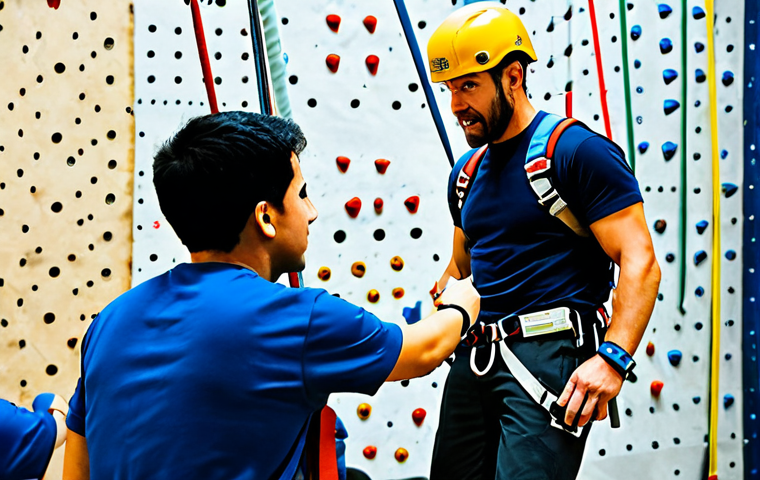
Rock climbing? Your belaying skills need to be second nature. I’ve seen candidates stumble not because they couldn’t handle advanced maneuvers, but because they fumbled the basics.
Practice the fundamentals until they’re muscle memory. Record yourself, get feedback, and drill, drill, drill. It might sound boring, but I promise, when the pressure is on, those ingrained basics will be your lifeline.
Trust me, I’ve been there, nearly botching a simple knot-tying demo during my wilderness survival instructor exam because I was too busy thinking about the fancy stuff.
Refine Your Technique: Precision Over Power
It’s easy to get caught up in the “go big or go home” mentality, but the judges are looking for precision, control, and efficiency. It’s about showcasing you understand the biomechanics of the movement, not just brute forcing it.
For example, in kayaking, a smooth, efficient paddle stroke is far more impressive than a splashy, powerful one that wastes energy. I spent weeks refining my kayaking technique, focusing on torso rotation and proper blade angle.
The result? I could paddle longer, faster, and with less effort – and the examiners noticed.
Understand Common Errors: Know What *Not* to Do
Knowing what *not* to do is just as important as knowing what to do. Every sport has its common errors, and understanding them will not only help you avoid making them yourself but will also demonstrate a deeper understanding of the activity.
Watch videos of professionals, analyze their technique, and identify potential pitfalls. During my snowboarding instructor training, I spent hours watching videos of riders, noticing how subtle shifts in weight distribution could dramatically affect performance.
I then practiced correcting those errors in my own riding, and it made a world of difference.
Adaptability is Key: Rolling with the Punches
No test ever goes exactly as planned. The weather might be terrible, the equipment might be faulty, or the examiner might throw you a curveball. The ability to adapt and problem-solve on the fly is crucial.
During my lifeguard certification, the pool was unexpectedly crowded, forcing me to modify my rescue approach. I had to quickly assess the situation, adjust my strategy, and communicate effectively with the other swimmers.
This demonstrated not only my technical skills but also my ability to think on my feet. It’s about showing that you can handle unexpected situations and maintain a safe and effective learning environment.
Scenario Training: Prepare for the Unexpected
The best way to develop adaptability is through scenario training. Create hypothetical situations that challenge you to think outside the box. What if a student is injured?
What if the equipment malfunctions? What if the weather suddenly changes? Practice responding to these scenarios in a calm, efficient manner.
I’d often enlist my friends to act as “students” and throw unexpected challenges my way during practice sessions. This helped me develop the mental agility and problem-solving skills needed to handle anything the exam threw at me.
Equipment Familiarity: Know Your Gear Inside and Out
Don’t wait until the day of the exam to familiarize yourself with the equipment. Know how to use it, how to adjust it, and how to troubleshoot common problems.
I’ve seen candidates lose points simply because they couldn’t properly adjust their skis or assemble their climbing harness. Take the time to get comfortable with all the gear you’ll be using, and be prepared to explain its function and proper use to the examiner.
Communication is Paramount: Speak the Language of Instruction
Being a great leisure sports instructor isn’t just about being a skilled athlete; it’s about being an effective communicator. You need to be able to explain concepts clearly, provide constructive feedback, and motivate your students.
The examiners will be assessing your ability to communicate effectively, so practice your instructional skills. I remember during my scuba diving instructor exam, I was more nervous about explaining buoyancy control than actually demonstrating it.
I rehearsed my explanations, focusing on using simple, clear language and visual aids. The result? I received high marks for my communication skills.
Verbal Clarity: Speak with Confidence and Authority
Speak clearly, confidently, and with authority. Avoid using jargon or technical terms that your students might not understand. Use simple, direct language, and be sure to project your voice so that everyone can hear you.
It’s not just about what you say, but how you say it. I practiced my verbal communication skills by recording myself giving instructions and then analyzing my tone, pace, and clarity.
Non-Verbal Communication: Body Language Speaks Volumes
Your body language can speak just as loudly as your words. Maintain eye contact, stand tall, and use confident gestures. Avoid fidgeting, slouching, or looking away, as these can convey nervousness or uncertainty.
I made a conscious effort to improve my body language, focusing on maintaining a relaxed but confident posture and using my hands to emphasize key points.
Safety First: Prioritize Risk Management
Safety is always the top priority in leisure sports instruction. The examiners will be looking to see that you understand the potential risks involved in the activity and that you take appropriate measures to mitigate them.
This includes conducting thorough risk assessments, providing clear safety instructions, and supervising your students closely. I always made sure to emphasize safety during my training sessions, highlighting potential hazards and demonstrating proper risk management techniques.
Risk Assessment: Identify Potential Hazards
Before starting any activity, conduct a thorough risk assessment to identify potential hazards. This includes considering environmental factors, equipment limitations, and student abilities.
I developed a checklist to guide my risk assessments, ensuring that I didn’t overlook any potential dangers.
Emergency Procedures: Be Prepared for the Worst
Know what to do in case of an emergency. This includes having a clear emergency plan in place, knowing how to administer first aid, and being able to contact emergency services.
I took a refresher course in first aid and CPR before my exams, and I made sure to familiarize myself with the emergency procedures for each activity.
Here is a table summarizing key aspects for excelling in leisure sports instructor practical exams:
| Area | Key Aspects | Tips |
|---|---|---|
| Fundamentals | Master basic techniques, precision over power, understand common errors | Practice regularly, analyze technique, identify pitfalls |
| Adaptability | Scenario training, equipment familiarity, problem-solving skills | Prepare for unexpected situations, know your gear, think on your feet |
| Communication | Verbal clarity, non-verbal communication, effective instruction | Speak confidently, use clear language, maintain eye contact |
| Safety | Risk assessment, emergency procedures, prioritizing safety | Identify hazards, know emergency plans, emphasize safety |
The Mental Game: Confidence and Composure
The practical exam isn’t just a test of your physical skills; it’s also a test of your mental fortitude. You need to be confident in your abilities, composed under pressure, and able to maintain a positive attitude.
Self-doubt can be a major obstacle, so it’s important to cultivate a strong sense of self-belief. I remember feeling incredibly nervous before my rock climbing instructor exam.
I spent weeks visualizing myself succeeding, focusing on my strengths, and reminding myself of all the hard work I had put in. This helped me to overcome my anxiety and perform at my best.
Visualization: See Yourself Succeeding
Before the exam, take some time to visualize yourself successfully completing each task. Imagine yourself performing flawlessly, feeling confident and in control.
Visualization can help to reduce anxiety and boost your self-confidence.
Positive Self-Talk: Replace Negative Thoughts with Positive Ones
Challenge negative thoughts and replace them with positive affirmations. Remind yourself of your strengths, your accomplishments, and your ability to succeed.
I developed a list of positive affirmations that I would repeat to myself before and during the exam.
Know the Evaluation Criteria: Understand What the Examiners are Looking For
Don’t go into the exam blind. Find out what the examiners will be evaluating and tailor your preparation accordingly. Ask previous test-takers for insights, review the exam guidelines, and understand the grading rubric.
The more you know about the evaluation criteria, the better prepared you’ll be to meet their expectations. I contacted several instructors who had previously taken the exam and asked them for their advice.
They provided valuable insights into the examiner’s expectations and helped me to focus my preparation on the areas that mattered most.
Performance Standards: Meet the Required Proficiency Levels
Make sure you meet the required performance standards for each skill or task. This means understanding the specific criteria that the examiners will be using to assess your proficiency.
During my swimming instructor training, I spent hours reviewing the performance standards for each stroke, ensuring that I could meet the required criteria for technique, speed, and efficiency.
Exam Guidelines: Adhere to the Rules and Regulations
Familiarize yourself with the exam guidelines and adhere to all rules and regulations. This includes understanding the exam format, the time limits, and the allowed equipment.
I made sure to read the exam guidelines carefully and to follow all instructions to the letter.
Simulate Exam Conditions: Practice Under Pressure
The best way to prepare for the practical exam is to simulate exam conditions as closely as possible. This means practicing under pressure, with distractions, and with limited time.
I would often set up mock exams with my friends, having them act as examiners and provide feedback on my performance. This helped me to get used to the pressure of the exam environment and to identify areas where I needed to improve.
Time Management: Practice Efficiently
Practice managing your time effectively during the exam. This means allocating sufficient time to each task and avoiding getting bogged down in any one area.
I used a timer during my practice sessions to track my progress and ensure that I was able to complete each task within the allotted time.
Distraction Management: Stay Focused
Learn to manage distractions and stay focused on the task at hand. This means being able to tune out noise, ignore interruptions, and maintain your concentration even when things get chaotic.
I practiced focusing on my task even when there were distractions around me, such as loud music or people talking. By focusing on these key areas, you can significantly increase your chances of acing your leisure sports instructor practical exam.
Remember, preparation, adaptability, communication, and safety are the keys to success. Good luck! Alright, here we go!
In Closing
So, there you have it! Acing your leisure sports instructor practical exam is definitely within reach if you gear up with the right strategy. Remember, it’s a blend of skill, adaptability, and how well you communicate. Go out there with confidence, and show them what you’ve got!
Your dedication to mastering both the physical aspects and the finer points of instruction will set you apart. Every bit of extra effort you put in will reflect brightly in your performance.
Wishing you the best as you step into your role as an instructor—may you inspire and guide others safely and effectively. Time to make waves!
Handy Tips to Keep in Your Back Pocket
1. Stay Current on Certifications: Refresh your first aid and CPR regularly. It shows you’re serious about safety.
2. Network with Pros: Join instructor communities. You’ll pick up invaluable tips and job opportunities.
3. Film Yourself Teaching: Review and tweak your instructional techniques for maximum clarity.
4. Master Local Regulations: Know the specific local laws and safety standards that apply to your sport.
5. Utilize Digital Tools: Apps for lesson planning or weather forecasts can make you more efficient.
Key Takeaways
Nail the Basics: Solid fundamentals are non-negotiable. Keep practicing until they become second nature.
Roll with the Punches: Adaptability trumps perfection. Be ready to adjust on the fly.
Communicate Clearly: Speak with confidence and authority, ensuring clarity in every instruction.
Prioritize Safety: Always put safety first, demonstrating a keen eye for risk management.
Stay Confident: Believe in your skills and let composure guide your actions.
Frequently Asked Questions (FAQ) 📖
Q: What’s the single most crucial thing I can do to prep for the practical skills test?
A: Honestly, it’s practice, practice, PRACTICE! I’m not just talking about reading the manual; get out there and simulate the exam scenarios. Find a buddy or a mentor to critique your technique.
The more comfortable you are with the skills under pressure, the better you’ll perform on test day. Think of it like perfecting your golf swing – repetition builds muscle memory, and that’s exactly what you need.
Plus, film yourself! It’s mortifying at first, but you’ll catch so many little errors you never noticed. I guarantee it.
Q: I’m super nervous about messing up in front of the examiner.
A: ny tips on staying calm? A2: I totally get it! Nerves are a killer.
My go-to strategy was deep breathing exercises right before the test. Sounds cheesy, but it works. Also, visualize success!
Imagine yourself smoothly executing each skill, feeling confident and in control. And remember, examiners are human. They’re looking for competence, not perfection.
One little slip-up isn’t the end of the world. I flubbed a demonstration during my certification, but I recovered quickly and still passed. Attitude is everything.
Q: What if the equipment malfunctions or the weather is terrible on the day of the test?
A: Great question! Adaptability is key in this field. If equipment fails, demonstrate your problem-solving skills.
Can you troubleshoot? Can you suggest an alternative? If it’s raining cats and dogs, adjust your techniques accordingly.
Maybe you need to modify your teaching style or the activity itself. Being able to think on your feet and make smart decisions in unexpected situations is a huge sign of a skilled instructor.
I once had to lead a yoga class in a park during a surprise downpour! We moved under a picnic shelter and focused on seated poses. The participants loved the improvisation and it actually made the experience memorable.
Show them you can handle anything thrown your way.
📚 References
Wikipedia Encyclopedia
구글 검색 결과
구글 검색 결과
구글 검색 결과
구글 검색 결과
구글 검색 결과