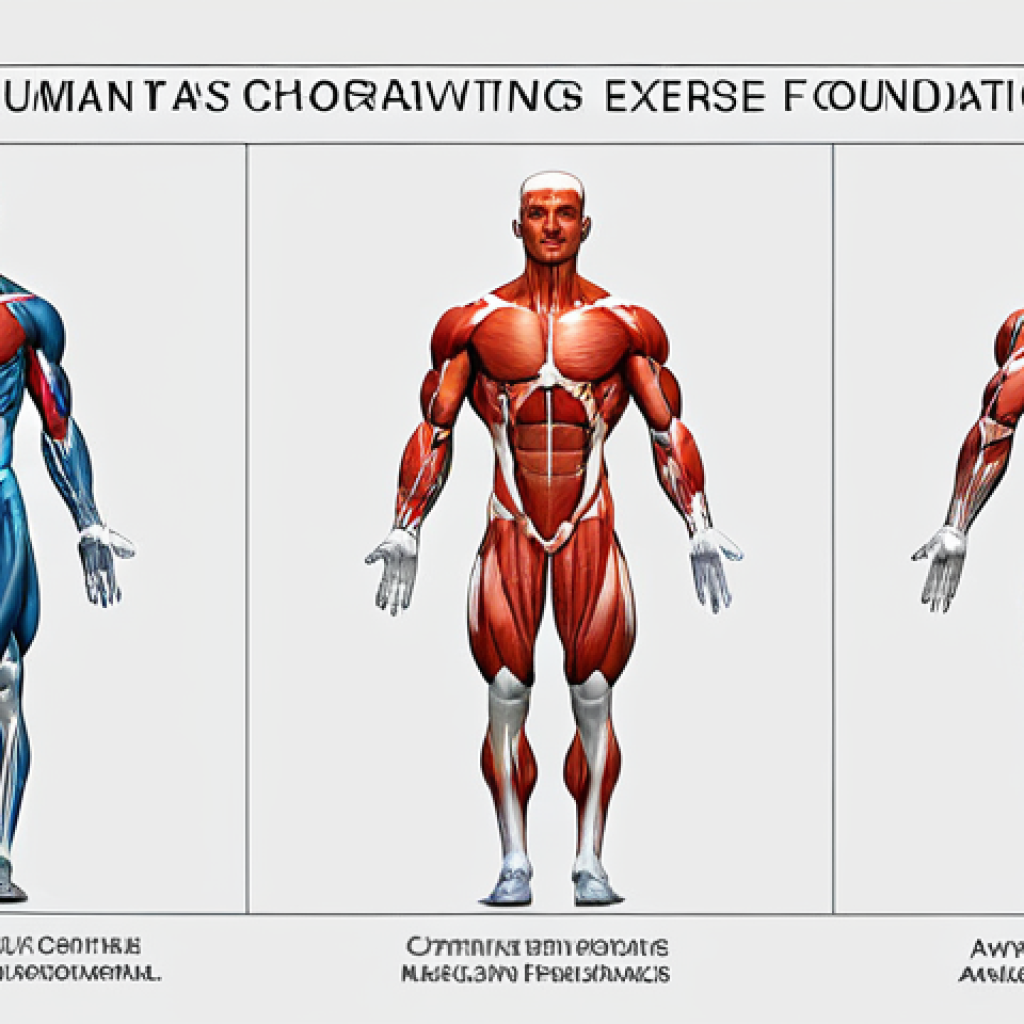
Okay, here’s a blog-style introduction about the best order to study for a Leisure Sports Instructor Certification exam, tailored for an English-speaking audience and optimized for readability and engagement:So, you’re aiming to become a certified Leisure Sports Instructor?
That’s awesome! But staring down that exam syllabus can feel like prepping for an Olympic sport in itself. I remember feeling totally overwhelmed when I first started studying, not knowing where to even *begin*.
Trust me, you’re not alone. With the right approach, you can definitely conquer this exam, building a solid foundation and acing those test questions.
The key is figuring out the most effective order to tackle those different subject areas – it’s not just about cramming; it’s about comprehension and long-term retention, crucial in today’s evolving fitness and recreation landscape.
Let’s get it sorted properly!
Okay, here is the blog post body.
Crafting Your Foundation: Start with Exercise Physiology
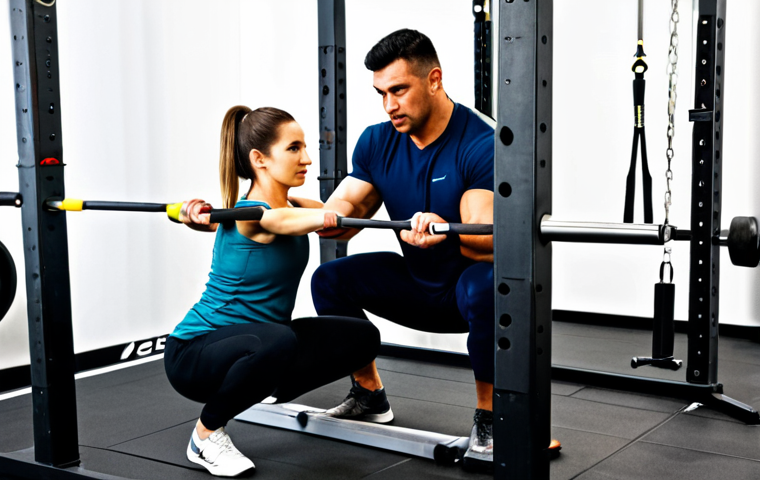
Diving right into the nitty-gritty of sports rules or coaching methodologies might seem tempting, but trust me, starting with Exercise Physiology is like laying the bedrock for a skyscraper.
It’s fundamental. I remember when I was studying, I thought I could skip over the science stuff and just memorize the training principles. Big mistake!
Once I actually understood how the body responds to exercise, everything else clicked into place.
Understanding the Human Machine
First off, Exercise Physiology gives you the “why” behind the “how” of training. It’s not just about knowing that cardio is good for your heart; it’s about understanding *how* aerobic exercise strengthens the heart muscle, improves oxygen transport, and lowers resting heart rate.
Grasping these basics helps you make informed decisions about exercise programming. For example, instead of blindly following a generic HIIT workout, you’ll understand how manipulating work-to-rest ratios affects different energy systems.
Preventing Injuries Through Knowledge
Secondly, a solid understanding of Exercise Physiology is crucial for injury prevention. Knowing how muscles work, how joints move, and how different activities impact the body allows you to identify potential risks and modify exercises accordingly.
I had a friend who jumped straight into heavy weightlifting without understanding proper form or muscle mechanics. Predictably, he ended up with a nasty shoulder injury.
Had he understood basic biomechanics, he could have avoided a lot of pain and frustration.
Tailoring Programs for Diverse Populations
Finally, Exercise Physiology equips you to tailor programs for diverse populations. Whether you’re working with athletes, seniors, or individuals with disabilities, you need to understand how their bodies respond to exercise differently.
I volunteered at a community center where I worked with older adults. My knowledge of Exercise Physiology helped me design safe and effective programs that took into account their age-related physiological changes.
One size *definitely* doesn’t fit all, and this knowledge helps you create truly personalized plans.
Deciphering Movement: Delve into Biomechanics
After building a solid foundation in Exercise Physiology, tackling Biomechanics is the next logical step. It’s the physics of human movement, and it’s essential for understanding how forces act on the body during exercise.
Let’s face it, understanding torque, levers, and axes of rotation might sound intimidating, but once you grasp these concepts, you’ll see the world of movement in a whole new light.
Optimizing Exercise Technique
Biomechanics teaches you how to optimize exercise technique to maximize results and minimize the risk of injury. It’s about understanding how to move efficiently and effectively.
I see so many people in the gym performing exercises with poor form, often because they don’t understand the biomechanical principles involved. Biomechanics helps you identify and correct these errors, making you a more effective instructor.
Analyzing Movement Patterns
This knowledge allows you to analyze movement patterns and identify potential imbalances or weaknesses. Are they compensating with other muscles? Are their joints aligned properly?
These are the kinds of questions Biomechanics helps you answer. When someone performs a squat, Biomechanics helps you assess their technique, identify any faulty movement patterns (like knees caving in), and implement corrective exercises to improve their form and reduce their risk of injury.
This is extremely useful to help clients improve safely and efficiently.
Unlocking the Mind-Body Connection: Explore Exercise Psychology
Many people underestimate the importance of Exercise Psychology, but it’s a crucial component of becoming a successful Leisure Sports Instructor. It’s not enough to just understand the science of exercise; you also need to understand the psychology behind motivation, adherence, and behavior change.
I remember working with a client who had all the physical tools to succeed but struggled with self-doubt and lack of motivation. That’s when I realized how important the psychological aspect is.
Boosting Motivation and Adherence
Exercise Psychology provides you with the tools to boost your clients’ motivation and adherence. It’s about understanding what drives people to exercise, what barriers they face, and how to help them overcome those obstacles.
By incorporating goal-setting strategies, positive reinforcement, and motivational interviewing techniques, you can help your clients stay committed to their fitness goals.
Understanding Behavioral Changes
This part of the journey teaches you how to effectively promote behavior change. It involves understanding the stages of change, identifying common barriers to exercise, and implementing strategies to help people progress through the stages.
For example, if someone is in the precontemplation stage (not even thinking about exercising), you might focus on raising their awareness of the benefits of physical activity.
If someone is in the action stage (actively exercising), you might focus on helping them maintain their new habit and prevent relapse.
Nailing the Fundamentals: Master Sport Pedagogy
Sport Pedagogy, at its core, is the art and science of teaching sports and physical activities. It’s not just about knowing the rules of the game; it’s about knowing *how* to effectively teach those rules and skills to others.
Think about the best teachers you’ve ever had – they didn’t just know their subject matter; they knew how to communicate it in a way that resonated with you.
Effective Teaching Strategies
Sport Pedagogy gives you a wide range of teaching strategies to engage your students and help them learn. Whether it’s designing progressive drills, providing constructive feedback, or creating a positive learning environment, Sport Pedagogy equips you with the tools you need to be an effective instructor.
Creating Inclusive Environments
This field encourages you to create inclusive learning environments where everyone feels welcome and valued. It’s about adapting your teaching style to meet the needs of diverse learners, regardless of their age, skill level, or background.
I remember when I first started teaching, I tended to focus on the most skilled students in the class. However, Sport Pedagogy taught me the importance of differentiating instruction and providing individualized support to all learners.
Ensuring Safety and Ethical Practice: Study Sport Safety Management
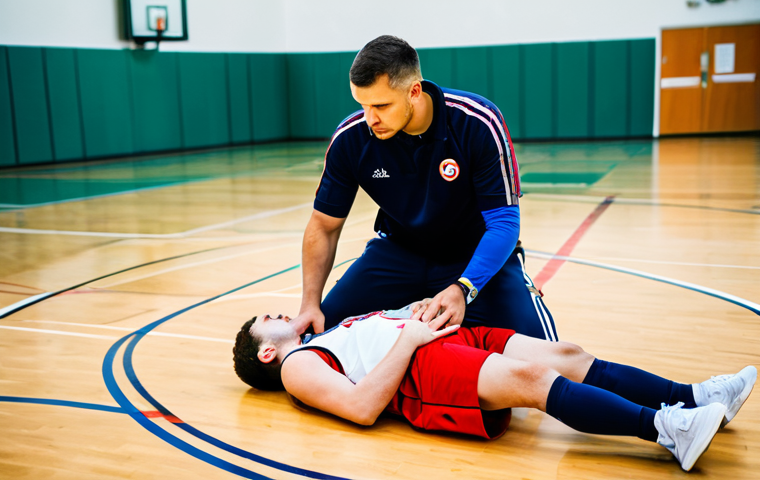
Sport Safety Management is absolutely crucial because, at the end of the day, your top priority as an instructor is to ensure the safety and well-being of your participants.
It’s not enough to just know how to teach a skill; you also need to know how to prevent injuries, respond to emergencies, and manage risks effectively.
When I think about this part, I always think about my friend in high school who experienced a heat stroke on a summer practice. It was eye opening and crucial to take the right precautions.
Risk Management Strategies
Sport Safety Management teaches you how to identify potential hazards, assess risks, and implement strategies to minimize those risks. It’s about being proactive and taking steps to prevent accidents before they happen.
This includes conducting regular equipment inspections, developing emergency action plans, and educating participants about safety protocols.
Ethical Consideration
This part involves understanding your legal and ethical responsibilities as an instructor. It’s about adhering to professional standards of conduct, respecting the rights of your participants, and making ethical decisions in challenging situations.
You might face situations involving conflicts of interest, confidentiality breaches, or allegations of misconduct. Sport Safety Management provides you with a framework for navigating these ethical dilemmas and making sound judgments.
Understanding Rules and Regulations: Grasp Sports Officiating
Delving into Sports Officiating might not sound as thrilling as mastering biomechanics or psychology, but understanding the rules and regulations of various sports is absolutely essential for a Leisure Sports Instructor.
You don’t necessarily need to become a certified referee, but you do need to have a solid grasp of the rules of the games you’re teaching. As I recall learning various sports, it was key to know what I could and couldn’t do!
Enforcing Rules Fairly
This part teaches you how to interpret and apply the rules of various sports fairly and consistently. It’s about understanding the nuances of the rules, knowing how to make judgment calls, and ensuring that everyone plays by the same standards.
This can be tricky, as rules can sometimes be ambiguous or open to interpretation. Sports Officiating provides you with the tools to make informed decisions and resolve disputes effectively.
Promoting Fair Play
This knowledge also helps you promote fair play and sportsmanship. It’s about teaching your participants to respect the rules, respect their opponents, and conduct themselves with integrity.
When I think about this, I think about how important it is to teach the youth about sportsmanship and how that translates into life. Here’s a table summarizing the recommended study order:
| Order | Subject | Why Study in This Order? |
|---|---|---|
| 1 | Exercise Physiology | Provides the foundational knowledge of how the body responds to exercise. |
| 2 | Biomechanics | Builds on Exercise Physiology to explain the physics of human movement. |
| 3 | Exercise Psychology | Explores the psychological factors that influence exercise behavior. |
| 4 | Sport Pedagogy | Teaches effective strategies for teaching sports and physical activities. |
| 5 | Sport Safety Management | Covers risk management, injury prevention, and legal considerations. |
| 6 | Sports Officiating | Provides a thorough understanding of the rules and regulations of various sports. |
Putting It All Together: Integrate Sports First Aid
Last but absolutely not least, you need to get certified in Sports First Aid. I’m putting it here at the end because it benefits from having a solid grasp of the physiology and the safety management aspects.
Being first aid and CPR certified isn’t just a good idea; it’s often a requirement for Leisure Sports Instructors. Things can happen, and you want to be prepared.
Immediate Response Techniques
Sports First Aid certification provides you with the knowledge and skills to respond effectively to common sports-related injuries and emergencies. Whether it’s a sprained ankle, a concussion, or a cardiac arrest, you’ll learn how to assess the situation, provide immediate care, and coordinate with emergency medical services.
Long-Term Injury Prevention
You’ll learn to assess injuries, provide basic first aid, and know when to refer someone to a medical professional. I remember being thankful to get CPR certified when I was a lifeguard in highschool.
It’s always better to be safe than sorry. By systematically working your way through these subjects in the order outlined above, you’ll build a strong foundation of knowledge and skills, and increase your chances of acing your Leisure Sports Instructor Certification exam.
And remember, it’s not just about passing the test; it’s about becoming a competent and confident instructor who can make a positive impact on people’s lives.
Good luck!
Wrapping Up
So there you have it! This roadmap, built on a structured approach to crucial subjects, is your key to not just passing the Leisure Sports Instructor Certification exam but truly mastering the craft. Remember, it’s about empowering yourself with the knowledge and skills to make a real difference in people’s lives, guiding them towards healthier, happier lifestyles. Now go out there and make it happen!
Handy Information to Keep in Your Back Pocket
Here are a few extra nuggets of wisdom to boost your journey:
1. Networking is Key: Attend local fitness events, workshops, and conferences. Connect with instructors, coaches, and other professionals in the field. You never know where valuable opportunities might arise.
2. Stay Updated: The field of sports science is constantly evolving. Subscribe to reputable journals, follow leading researchers on social media, and commit to lifelong learning.
3. Gain Practical Experience: Volunteer to assist experienced instructors, offer free classes to friends and family, or seek out internship opportunities. Practical experience is invaluable for honing your skills and building confidence.
4. Consider Specializations: Once you have your certification, consider specializing in a particular area, such as youth sports, senior fitness, or adaptive exercise. This can set you apart from the competition and allow you to focus on your passions.
5. Don’t Be Afraid to Ask Questions: Learning never stops! Reach out to mentors, colleagues, and experts in the field whenever you have questions or need guidance.
Key Takeaways
-Exercise Physiology is the foundation; understand how the body works.
-Biomechanics helps you optimize movement and prevent injuries.
-Exercise Psychology is crucial for motivation and adherence.
-Sport Pedagogy equips you with effective teaching strategies.
-Sport Safety Management ensures the well-being of your participants.
-Sports Officiating promotes fair play and understanding of the rules.
-Sports First Aid is essential for responding to injuries and emergencies.
Frequently Asked Questions (FAQ) 📖
Q: What’s the single most important thing to focus on right at the beginning of my study prep?
A: Hands down, nail down the foundational principles of anatomy and physiology. Think of it like this: you can’t build a strong house on a shaky foundation.
Understanding how the human body works, how muscles function, and how energy systems operate will make everything else – from exercise programming to injury prevention – click into place so much faster.
I remember spending a week just reviewing these basics and it paid off big time when I got to the more complex stuff later.
Q: I’m terrible at remembering specific regulations and legal aspects. What’s the best way to tackle those?
A: Ugh, I get it. Memorizing legal stuff is about as fun as going to the DMV. My advice?
Don’t try to cram it all at once. Break it down into smaller chunks and relate it to real-life scenarios. Think about liability waivers you’ve signed at your gym, or safety protocols you’ve seen in action at a recreation center.
Visualize how those regulations would play out if someone were to, say, slip and fall during a Zumba class. Also, practice questions are your best friend here.
Keep drilling yourself until you can answer them without even thinking.
Q: How much time should I realistically dedicate to studying each week? I’m working full-time and have other commitments.
A: That’s a tough one, because everyone’s situation is different. But I’d say aim for at least 8-10 hours per week, spread out over several days. Consistency is key.
Even 30 minutes of focused study each day is better than a three-hour marathon session once a week. And don’t forget to schedule in some downtime! Burnout is real, and a stressed-out brain isn’t going to absorb information effectively.
Trust me, I learned that the hard way! Maybe try studying during your commute, or even during your lunch break. And most importantly, be kind to yourself throughout the process.
You got this!
📚 References
Wikipedia Encyclopedia
구글 검색 결과
구글 검색 결과
구글 검색 결과
구글 검색 결과
구글 검색 결과