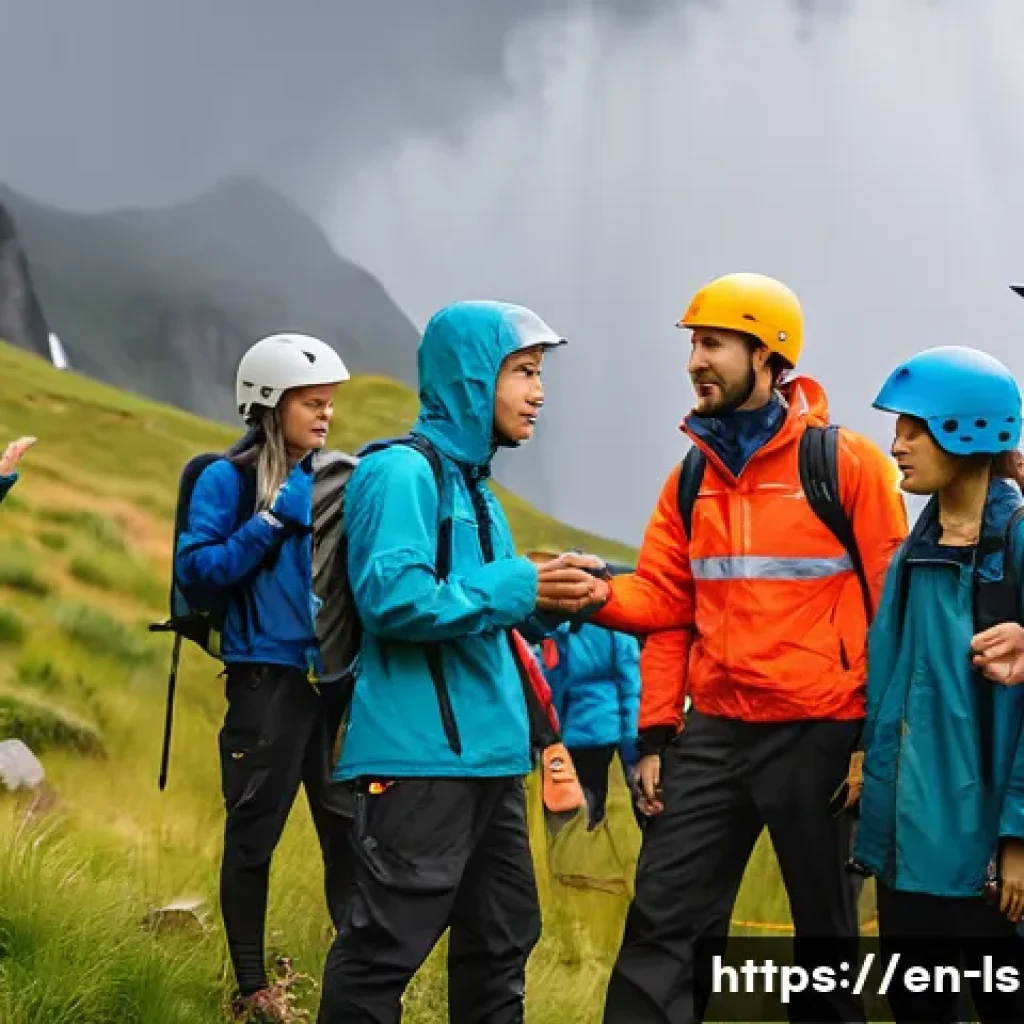
Handling unexpected situations is a crucial skill for anyone working in leisure sports leadership. Whether it’s managing sudden weather changes, addressing participant injuries, or navigating equipment malfunctions, staying calm and prepared can make all the difference.
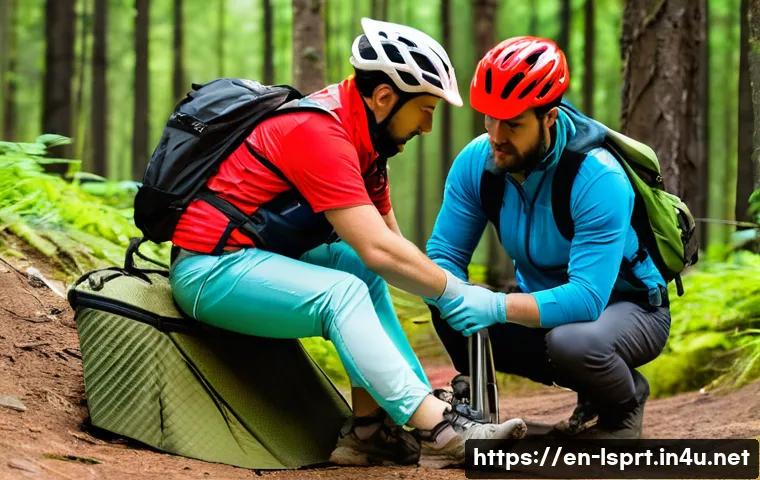
From my own experience, having a clear action plan not only ensures safety but also boosts participants’ confidence and enjoyment. These real-world challenges demand quick thinking and practical solutions, which every leader should master.
Let’s dive into the details to get a clear understanding of how to tackle these common scenarios effectively!
Mastering Communication Under Pressure
Clear and Calm Instructions
When unexpected situations arise, the way you communicate can either escalate stress or restore calm. Speaking clearly and in a composed tone helps participants understand what’s happening without panic.
From my experience, repeating key points and using simple language ensures everyone stays on the same page, even when emotions run high. For example, during a sudden thunderstorm at an outdoor climbing event, calmly instructing participants to seek shelter step-by-step prevented chaos and confusion.
It’s about balancing urgency with reassurance so that your voice becomes a steady anchor amidst the turmoil.
Active Listening and Feedback
Dealing with emergencies isn’t just about giving orders; it also requires listening carefully to participants’ concerns and observations. Sometimes, those on the ground notice details you might miss—like a minor injury or a piece of faulty gear.
Encouraging open feedback and asking clarifying questions helps you gather crucial information quickly. I recall an incident where a participant mentioned feeling dizzy during a kayak trip.
Thanks to attentive listening, we adjusted the plan immediately and provided medical attention, avoiding a potential crisis. Being approachable and responsive builds trust and enables more effective problem-solving.
Using Non-Verbal Communication Effectively
Non-verbal cues play a huge role in managing groups, especially when noise levels rise or visibility drops. Gestures, hand signals, and eye contact can communicate instructions without overwhelming verbal commands.
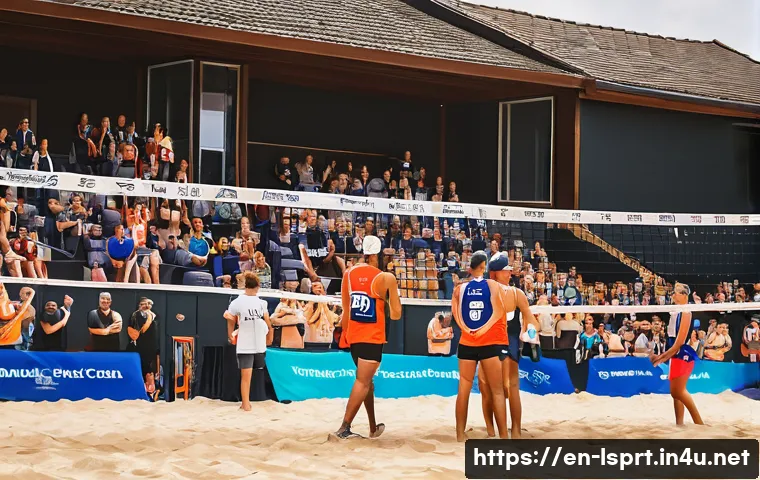
For instance, during a loud beach volleyball event with wind gusts, I found that pre-agreed hand signals kept the team coordinated and safe. This technique is particularly valuable in large or noisy environments, where verbal communication might fail.
Practicing these signals beforehand with your team ensures smooth execution when it really counts.
Adapting to Sudden Weather Changes
Monitoring Weather and Pre-Event Planning
In leisure sports leadership, staying ahead of the weather can prevent many emergencies. I always recommend checking multiple reliable weather sources before and during an event.
Setting up weather alerts on your phone or a dedicated device ensures you’re notified instantly of any changes. Preparing an alternative plan or shelter location beforehand is a lifesaver.
For example, during a trail running event, we had a backup indoor venue ready. When rain started unexpectedly, we moved participants without delay, maintaining safety and morale.
Immediate Response Strategies
When a weather change hits suddenly, acting fast is critical. This means gathering participants promptly, communicating the new plan clearly, and assisting those who need help moving to safety.
In one of my kayaking sessions, a sudden windstorm forced us to cut the trip short. By quickly organizing everyone and securing the equipment, we avoided injuries and damage.
It’s important to stay flexible and decisive—hesitation can turn a manageable situation into a dangerous one.
Post-Event Weather Review
After any event impacted by weather, taking time to review what happened helps improve future responses. I usually hold a quick debrief with my team to discuss what worked and what didn’t.
Did the weather monitoring tools give enough warning? Were the evacuation routes clear? This reflection helps refine your protocols and builds confidence for next time.
Sharing these lessons with participants also shows your commitment to safety and professionalism.
Handling Participant Injuries with Confidence
Basic First Aid Knowledge and Preparation
No matter the sport, injuries are always a possibility. I’ve found that having solid first aid skills and a well-stocked kit nearby is non-negotiable.
Knowing how to quickly assess the severity of an injury and apply the right treatment can prevent further harm. For instance, during a mountain biking event, a participant suffered a twisted ankle.
Because I was trained in basic first aid, I was able to immobilize the joint and coordinate emergency transport smoothly. Preparing beforehand boosts your confidence and improves outcomes dramatically.
Calm and Supportive Presence
Injury situations often trigger fear or anxiety among participants. Remaining calm and offering reassurance can make a huge difference. I try to speak softly and stay physically close to injured individuals, letting them know they’re not alone.
This emotional support helps reduce panic and keeps the injured person more comfortable while waiting for medical help. Your demeanor often sets the tone for how the entire group reacts, so stay composed even if you feel stressed inside.
Coordinating Emergency Services Efficiently
Knowing when and how to call for professional medical assistance is crucial. I always keep emergency numbers saved and ensure my team knows the quickest routes to hospitals or clinics.
During one event, a head injury required ambulance transport. Because we had planned communication protocols, the handoff to paramedics was seamless. Clear documentation of the injury and any first aid applied also helps medical teams provide better care on arrival.
Quick Fixes for Equipment Failures
Routine Equipment Checks
Preventing gear malfunctions starts long before the event. I make it a habit to inspect all equipment thoroughly before use. This includes checking for wear and tear, ensuring batteries are charged, and verifying that safety features work properly.
Catching issues early saves time and prevents accidents. For example, once I discovered a cracked harness before a climbing session, which we replaced immediately, avoiding a potential disaster.
On-the-Spot Repairs and Alternatives
Despite precautions, equipment can fail during activities. Having a basic repair kit and knowing simple fixes can save the day. In a sailing camp I led, a snapped line was quickly replaced using a spare rope and some knots I learned over time.
When that’s not possible, having alternative equipment ready or modifying the activity slightly keeps participants engaged and safe. Creativity and resourcefulness go a long way in these moments.
Training Participants to Handle Minor Issues
Empowering participants to manage small equipment problems themselves reduces downtime and builds their confidence. I often demonstrate how to fix common issues and encourage them to carry small repair tools.
During a mountain biking trip, teaching riders how to patch tires on the trail was a game-changer. This shared responsibility lightens the leader’s load and fosters a collaborative spirit.
Managing Group Dynamics During Crises
Maintaining Morale and Focus
When things go wrong, group morale can quickly drop. Keeping spirits up while staying focused on safety is a delicate balance. I find that injecting a bit of humor or sharing encouraging words helps lift energy levels without downplaying the seriousness.
For example, during a long wait for rescue in a remote area, light-hearted conversation kept everyone engaged and less anxious.
Conflict Resolution Techniques
Stressful situations often spark disagreements or frustration among participants. Knowing how to defuse tension is key. I use active listening to understand each person’s concerns and mediate fairly.
Setting clear expectations at the start about cooperation and respect also helps prevent conflicts. In one scenario, two participants argued over equipment sharing; calmly guiding them to a compromise kept the group united.
Encouraging Teamwork and Mutual Support
Promoting a sense of teamwork makes navigating crises smoother. I encourage participants to look out for each other and share responsibilities. This collective approach not only solves problems faster but also strengthens group bonds.
During a hiking trip with a sudden route change, participants who helped carry gear or assist slower members made the experience positive despite the challenge.
Effective Decision-Making in High-Stress Moments
Prioritizing Safety and Practicality
When faced with multiple urgent issues, deciding what to tackle first is vital. I always prioritize actions that protect people’s health and prevent further hazards.
For example, securing shelter during a storm takes precedence over resuming activities. Experience has taught me to trust my instincts but also rely on established safety protocols to guide decisions.
Gathering Input Without Delaying Action
While quick decisions are needed, consulting your team and participants can provide valuable insights. I try to balance speed with collaboration by asking concise questions and summarizing feedback rapidly.
This approach ensures decisions are informed without wasting precious time. It also builds a shared sense of responsibility and commitment to the chosen course.
Learning from Each Incident
Every unexpected event is a learning opportunity. After the dust settles, I review what decisions were effective and where improvements can be made. This reflective practice sharpens judgment and prepares you better for future challenges.
Sharing these lessons with your team fosters continuous growth and reinforces a culture of safety and adaptability.
| Situation | Key Actions | Tools/Skills Needed | Outcome |
|---|---|---|---|
| Sudden Weather Change | Monitor weather, communicate clearly, move to shelter | Weather apps, communication skills, alternative plans | Ensured safety, minimized panic, maintained schedule |
| Participant Injury | Assess injury, provide first aid, call emergency services | First aid training, calm presence, emergency contacts | Prevented worsening, timely medical care, participant trust |
| Equipment Failure | Inspect gear, perform quick repairs, use alternatives | Repair kits, technical know-how, spare equipment | Reduced downtime, maintained activity flow, increased confidence |
| Group Conflict | Listen actively, mediate fairly, reinforce teamwork | Conflict resolution skills, communication, leadership | Resolved tension, preserved group harmony, improved cooperation |
Closing Thoughts
Mastering communication and decision-making under pressure is essential for any leader in high-stress situations. Staying calm, clear, and adaptable not only ensures safety but also builds trust and confidence within your team. By preparing ahead and learning from each experience, you can turn challenges into opportunities for growth and stronger group dynamics.
Useful Tips to Remember
1. Always keep your communication simple and composed to prevent panic during emergencies.
2. Encourage active listening and feedback to catch details that might otherwise be overlooked.
3. Use non-verbal signals when verbal communication is difficult, especially in noisy or large environments.
4. Monitor weather conditions continuously and have backup plans ready to keep everyone safe.
5. Equip yourself and your team with first aid skills and basic repair knowledge to handle unexpected incidents effectively.
Key Takeaways
Effective leadership under pressure relies on clear communication, quick and informed decision-making, and fostering teamwork. Prioritize safety above all, maintain calm presence during crises, and prepare thoroughly before events. Encouraging participant involvement and reflecting on each situation afterward will strengthen your ability to manage future challenges confidently and professionally.
Frequently Asked Questions (FAQ) 📖
Q: How can I stay calm and effective when unexpected situations arise during leisure sports activities?
A: From my experience, the key is preparation combined with mindful breathing. Having a well-rehearsed action plan gives you a clear roadmap, which reduces panic.
When something unexpected happens, take a moment to breathe deeply and focus on the immediate priorities—safety first, then communication. Practicing scenarios ahead of time with your team or participants also builds confidence, so when real challenges hit, you naturally respond with calm and clarity.
Q: What are some practical steps to handle sudden weather changes during outdoor sports sessions?
A: Weather can flip in minutes, and being proactive makes all the difference. Always check the forecast before your event and have a backup plan ready, like moving indoors or rescheduling.
If the weather shifts unexpectedly, communicate quickly and clearly with participants, emphasizing safety. I’ve found having portable shelters, waterproof gear, and first-aid kits on hand is a lifesaver.
Also, setting clear guidelines beforehand about weather-related cancellations helps manage expectations smoothly.
Q: How should I respond if a participant gets injured during a session?
A: Immediate response is critical. First, assess the situation calmly—determine if it’s an emergency requiring professional medical help or something minor.
Administer basic first aid if you’re trained, and keep the injured person comfortable and reassured. Make sure to have emergency contacts and a communication device nearby.
From personal experience, showing empathy and maintaining a composed demeanor not only helps the injured participant but also keeps the rest of the group calm and focused.
Always review the incident afterward to improve future responses.