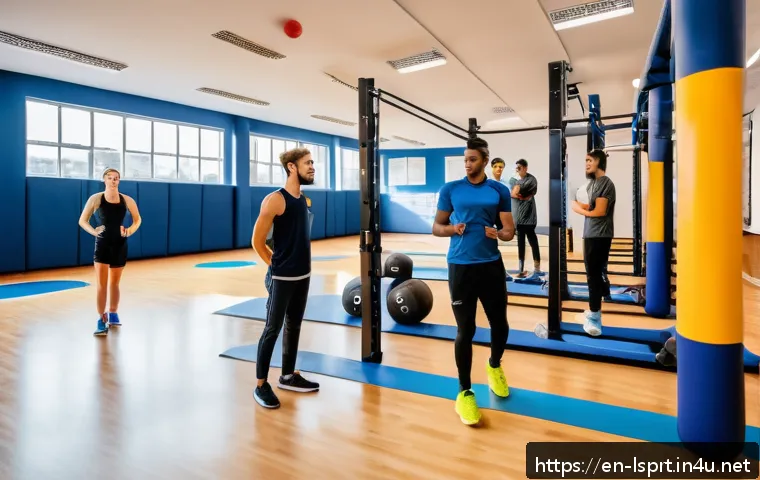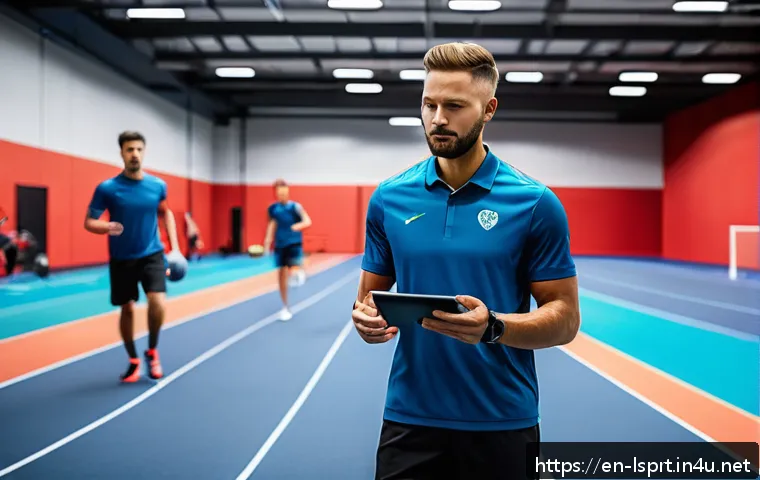
In today’s fast-paced world, effective communication has become more crucial than ever, especially for leisure sports leaders who must inspire, instruct, and connect with diverse teams.

Whether you’re coaching a community soccer league or organizing weekend hiking groups, mastering these skills can turn ordinary interactions into powerful leadership moments.
Recent trends show that leaders who communicate with clarity and empathy not only boost team morale but also enhance overall performance. If you’ve ever struggled to get your message across or felt your team wasn’t fully engaged, you’re not alone.
Let’s dive into the essential communication techniques that every leisure sports leader needs to thrive in real-world scenarios and create lasting impact.
Building Trust Through Authentic Interaction
Listening Beyond Words
When you’re leading a leisure sports group, tuning in to what your team members say—and what they don’t say—is a game changer. It’s easy to focus only on instructions or feedback, but real connection happens when you pay attention to tone, body language, and subtle cues.
I’ve noticed that when I slow down and truly listen, team members open up more, sharing concerns or ideas that wouldn’t surface otherwise. This kind of active listening not only strengthens relationships but also helps you anticipate and solve issues before they escalate, creating a more cohesive and motivated group.
Being Transparent and Honest
Nothing builds trust faster than straightforwardness. When you’re upfront about goals, challenges, or even mistakes, it humanizes you as a leader. For example, I once shared with my hiking group that the trail conditions were tougher than expected and that I was a bit nervous about the route.
Instead of undermining confidence, this honesty sparked a team discussion that brought out helpful suggestions and boosted everyone’s engagement. Transparency invites collaboration and reassures your team that you’re in it together, not just dictating from the sidelines.
Showing Genuine Empathy
Empathy goes beyond just understanding feelings; it’s about putting yourself in someone else’s shoes and responding with kindness and support. I’ve found that when team members sense your genuine care—like asking how someone is doing after a tough practice or celebrating small wins—it creates a positive atmosphere where everyone feels valued.
This emotional connection often translates into higher commitment and better teamwork because people want to contribute to a space where they feel respected and seen.
Crafting Clear and Motivational Messages
Keeping Instructions Simple and Actionable
In my experience, overly complicated directions cause more confusion than clarity. Whether you’re explaining game tactics or safety protocols, breaking down information into digestible, step-by-step points works best.
I like to use simple language and repeat key messages in different ways to make sure everyone’s on the same page. Also, pairing verbal instructions with visual cues—like demonstrating a drill or showing a map—helps solidify understanding and boosts confidence across all skill levels.
Using Positive Language to Inspire
Words have power, and framing feedback or encouragement in a positive light changes how it’s received. Instead of pointing out what went wrong, I focus on what was done well and how to improve.
Saying things like “You made a great effort here, and with a bit more practice, you’ll nail this move” feels more uplifting than just highlighting mistakes.
This approach motivates team members to keep pushing themselves without feeling discouraged, which is crucial for building resilience and persistence in leisure sports.
Adapting Communication Style to Your Audience
Not everyone learns or processes information the same way, so tailoring your communication is essential. With younger participants, I tend to be more animated and use storytelling to keep their attention, while with adult groups, I might focus on logical explanations and practical benefits.
Observing how your team responds and adjusting accordingly shows respect for their preferences and maximizes engagement. This flexibility also demonstrates your leadership maturity and ability to connect with diverse individuals.
Managing Conflicts with Calm and Clarity
Recognizing Early Signs of Tension
I’ve learned that catching conflicts early prevents them from snowballing into bigger problems. Sometimes it’s subtle—a change in body language, quieter participation, or a few sharp words.
Being alert to these signals lets you address issues before they disrupt the group dynamic. For instance, during a weekend cycling trip, I noticed two members exchanging tense glances and decided to pull them aside for a quick chat.
This proactive step cleared misunderstandings and kept the ride enjoyable for everyone.
Facilitating Constructive Conversations
When conflicts arise, guiding the discussion toward solutions rather than blame is key. I encourage team members to express their feelings honestly but respectfully, and I make sure to acknowledge all sides.
Setting ground rules for respectful dialogue—like listening without interrupting and focusing on behaviors, not personalities—helps keep conversations productive.
I’ve seen that when everyone feels heard and understood, it’s easier to find compromises and restore harmony quickly.
Maintaining Your Composure Under Pressure
Staying calm as a leader during tense moments can be tough but is essential. I remind myself that reacting emotionally rarely helps and often escalates the situation.
Taking a deep breath, speaking slowly, and choosing words carefully shows your team that you’re in control and committed to resolving issues fairly. This calm presence can diffuse tension and reassure everyone that the group’s well-being is your priority.
Leveraging Nonverbal Signals to Reinforce Your Message
Body Language That Builds Confidence
Your posture, gestures, and facial expressions speak volumes, often more than words. When I stand tall, make eye contact, and smile, I notice people respond with more trust and enthusiasm.
Open body language signals approachability, which invites questions and interaction. On the other hand, crossed arms or avoiding eye contact can unintentionally create distance or discomfort.
Being mindful of these cues has helped me foster a more welcoming and energizing environment for my teams.
Using Visual Aids Effectively
Visual support like diagrams, charts, or even simple sketches can boost understanding and retention, especially when explaining complex tactics or safety rules.
For example, during a kayaking session, showing a quick map of the route and potential hazards helped participants feel more prepared and less anxious.

I usually combine visuals with verbal instructions to cater to different learning styles, which makes the information stick better and reduces repeat explanations.
Reading the Room for Real-Time Adjustments
Nonverbal feedback from your team can guide how you adjust your communication on the fly. If you notice puzzled expressions, distracted glances, or restless behavior, it’s a signal to slow down, clarify, or inject some energy.
I remember once during a snowshoeing workshop, the group seemed disengaged halfway through, so I switched from lecture mode to a quick interactive activity, which revived their focus instantly.
Paying attention to these silent signals lets you keep your team connected and motivated throughout any session.
Encouraging Open Dialogue and Team Input
Creating a Safe Space for Sharing Ideas
I’ve found that when team members feel safe to voice opinions without judgment, creativity and problem-solving flourish. This means actively inviting input and responding positively, even if ideas seem unconventional.
During a community basketball league, encouraging players to suggest drills led to fresh routines that everyone enjoyed more. Setting this tone requires consistent reassurance and a leadership style that values every voice, making your group feel truly inclusive and dynamic.
Asking Thoughtful Questions
Instead of always giving answers, posing open-ended questions encourages reflection and engagement. Questions like “What do you think would help us improve?” or “How did that strategy feel for you?” open up meaningful conversations.
I’ve seen how this approach empowers team members to take ownership of their development and contributes to a culture of continuous learning. Plus, it provides you with valuable insights that can shape future sessions more effectively.
Balancing Feedback with Encouragement
When team members share their thoughts, responding with a mix of constructive feedback and genuine encouragement keeps morale high. Even when pointing out areas for improvement, I make sure to highlight strengths and progress.
This balance helps maintain motivation and shows that you’re invested in their growth, not just performance. Over time, this approach builds trust and makes open dialogue a natural part of your team’s communication culture.
Utilizing Technology to Enhance Communication
Selecting the Right Tools for Your Team
There’s no shortage of apps and platforms designed to streamline communication, but choosing the right ones depends on your team’s needs. I’ve experimented with group messaging apps, scheduling tools, and video calls to keep everyone informed and connected.
For example, using a shared calendar app for my weekend running group eliminated confusion about meeting times and locations. Picking user-friendly technology that fits your group’s comfort level makes a big difference in adoption and effectiveness.
Maintaining Consistency Across Channels
It’s easy to overwhelm teams by scattering information across multiple platforms. I try to keep announcements, updates, and feedback centralized, so nothing gets missed.
Consistency also means using clear, concise language regardless of the medium—whether it’s a quick text or a detailed email. This reduces misunderstandings and ensures everyone stays aligned with team goals and schedules.
Encouraging Digital Etiquette and Responsiveness
Setting expectations around timely replies and respectful digital communication keeps online interactions positive and efficient. I’ve noticed that when I model prompt and polite responses, team members follow suit, which speeds up decision-making and problem-solving.
Encouraging members to mute notifications during sessions or avoid multitasking also helps maintain focus and respect, reinforcing the value of quality communication both offline and online.
| Communication Technique | Key Benefits | Practical Example |
|---|---|---|
| Active Listening | Builds trust, uncovers hidden issues | Slowing down to notice non-verbal cues during team talks |
| Positive Language | Boosts motivation, reduces fear of failure | Framing feedback with encouragement after a practice session |
| Conflict Management | Prevents escalation, restores harmony | Pulling aside conflicting members for calm discussion |
| Nonverbal Communication | Enhances clarity, builds rapport | Using eye contact and open posture during instructions |
| Open Dialogue | Fosters creativity, increases engagement | Inviting team ideas for practice drills |
| Technology Use | Improves coordination, keeps everyone informed | Shared calendars and messaging apps for scheduling |
In Conclusion
Building effective communication within leisure sports teams takes intentional effort and genuine connection. By embracing active listening, transparency, and empathy, leaders can foster trust and motivation. Clear messaging combined with thoughtful conflict management helps maintain harmony and engagement. Utilizing both verbal and nonverbal cues, along with the right technology, further enhances team cohesion and success.
Useful Information to Keep in Mind
1. Active listening uncovers hidden concerns and strengthens trust among team members.
2. Using positive language encourages resilience and keeps motivation high during challenges.
3. Addressing conflicts early with calm, respectful conversations prevents escalation and restores balance.
4. Adapting communication styles to different audiences maximizes understanding and participation.
5. Leveraging user-friendly technology streamlines coordination and keeps everyone informed efficiently.
Key Takeaways
Effective leadership in leisure sports relies on authentic interaction, clear communication, and emotional intelligence. Prioritizing transparency and empathy builds a supportive environment where team members feel valued. Proactively managing conflicts and reading nonverbal signals ensures smooth group dynamics. Finally, integrating appropriate technology and encouraging open dialogue creates a collaborative culture that drives continuous improvement and enjoyment for all participants.
Frequently Asked Questions (FAQ) 📖
Q: How can I improve communication with a diverse team in leisure sports?
A: The key to effective communication with diverse teams lies in embracing empathy and active listening. From my experience coaching mixed-age soccer groups, I found that taking time to understand each member’s background and communication style helps tailor your message so it resonates better.
Use clear, simple language and encourage open dialogue—this creates a trusting environment where everyone feels valued and motivated. Also, nonverbal cues like eye contact and positive body language can bridge gaps when words fall short.
Q: What are the best ways to keep my team engaged during practice or events?
A: Keeping a team engaged goes beyond just giving instructions. When I led weekend hiking groups, I noticed that involving members in goal-setting and decision-making sparked more enthusiasm.
Sharing stories, celebrating small wins, and mixing up activities to avoid monotony makes a huge difference. Also, providing timely, constructive feedback shows you care about their progress, which naturally boosts morale and participation.
Remember, engagement thrives when people feel connected and empowered.
Q: How do I handle conflicts or misunderstandings within my leisure sports team?
A: Conflicts are inevitable but manageable with the right approach. I’ve learned that addressing issues promptly and privately prevents escalation. Start by listening to each side without judgment, then clarify any misunderstandings by restating what you heard.
Encourage team members to express their feelings respectfully and work together to find common ground or compromises. Maintaining calm and focusing on shared goals helps transform conflicts into opportunities for stronger teamwork and trust.