The cultural trends with the clearest effect on leisure sports instructors are the demand for wellness-oriented sessions, inclusive participation, outdoor experiences, and easy digital booking.
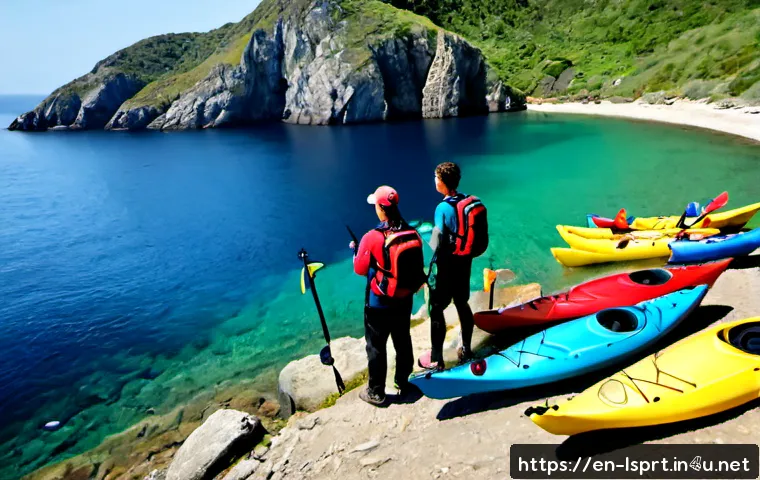
These shifts can change what instructors need to invest in, from continuing education and liability insurance to adaptive equipment and booking software.
The right choice depends on local demand, the activity’s risk level, and the type of provider delivering the program. For instructors and recreation businesses, comparing certification pathways, insurance terms, equipment packages, and customer-management tools is often more useful than copying a short-lived social-media trend.
A strong service model makes the experience clear, welcoming, and appropriately safe before it tries to look premium.
At a Glance
- Wellness, inclusion, and community are shaping what participants expect from leisure sports instruction.
- Safety planning, qualifications, insurance, and equipment should match the activity, venue, and local requirements.
- Digital scheduling, online waivers, and reviews increasingly influence how people find and book recreational programs.
| Trend | Participant Expectation | Instructor Investment | Operational Risk | Suitable Business Model |
|---|---|---|---|---|
| Wellness-focused recreation | Enjoyment, manageable intensity, and supportive coaching | Continuing education and clearer session design | Expectations may not match the actual activity level | Independent instructors, gyms, community programs |
| Inclusive and adaptive programs | Accessible communication, facilities, and instruction | Relevant training and, where needed, adapted equipment | Inadequate planning can exclude participants or reduce safety | Community centers, schools, parks, specialist providers |
| Outdoor and nature-based activities | Low-pressure experiences and a connection with nature | Safety planning, suitable equipment, and venue knowledge | Conditions, access, and seasonality can affect delivery | Outdoor providers, resorts, clubs, independent guides |
| Digital discovery and booking | Simple schedules, online registration, and clear policies | Booking software, online waiver tools, and customer support | Data handling and unclear cancellation terms can damage trust | Any provider handling recurring sessions or multiple groups |
What Is Changing in Leisure Sports Instruction?
Leisure sports instruction is moving beyond performance improvement alone. Many participants still want to build skills, but they may also be looking for stress relief, social connection, outdoor time, or a regular activity that feels approachable. This means instructors need to explain not only what people will learn, but also what kind of experience the session provides.
The practical issue is not whether every program should follow every trend. It is whether the service fits local demographics, facility access, seasonality, and disposable income. A popular format online may not create stable demand in a particular neighborhood, club, park, or resort.
The Shift From Performance-Only Coaching to Wellness, Enjoyment, and Community
A participant who joins for wellbeing may respond better to achievable progress, clear encouragement, and an enjoyable group environment than to a performance-heavy format. This does not mean lowering safety or technical standards. It means matching coaching language and session design to the reason people are attending.
For an instructor, this may create a reason to compare continuing education options that cover customer service, coaching communication, or activity-specific safety. Before paying for a course, check whether its content supports the actual audience you serve rather than simply adding another credential to a profile.
Why Participants Increasingly Expect Flexible, Personalized Experiences
Participants may expect flexible session times, easy registration, beginner-friendly explanations, and clear information before arrival. They may also have different experience levels within the same group. A provider does not need to promise fully individualized coaching in every session, but it should define who the activity is designed for and how progression works.
Digital scheduling and online booking can reduce friction, especially when people want to see availability before committing. However, a booking platform cannot fix an unclear offer. The activity description, required equipment, cancellation policy, and participant expectations should be understandable before someone submits a waiver or payment.
Three Practical Takeaways for Instructors and Recreation Providers
- Build programs around a specific participant need, such as beginner confidence, social recreation, outdoor exploration, or skill development.
- Test demand through a limited, manageable program before making major commitments to specialized equipment or software.
- Review safety procedures, qualifications, insurance requirements, and facility rules whenever the activity format or participant group changes.
Key Cultural Trends Influencing Programs and Instructor Demand
Inclusive and Adaptive Recreation
Inclusive recreation is not a single product category. It can involve adapting instruction, communication, equipment, and facilities for participants with varied abilities and experience levels. The useful starting point is to identify what the current program can reasonably support and where a different format, venue, or qualified partner may be needed.
Trust is weakened when promotional language promises access without practical planning. Consider whether participants receive clear information about the setting, equipment, physical demands, and available accommodations. Where specialized instruction or equipment may be necessary, confirm the relevant requirements before advertising the service.
Outdoor, Nature-Based, and Low-Pressure Activities
Outdoor recreation can appeal to people who want a break from formal training environments. It can also create more moving parts: weather conditions, seasonal access, transport, site rules, emergency planning, and equipment suitability. An outdoor session should be marketed for what it is, not as a risk-free alternative to indoor activity.
For providers, the business question is whether outdoor demand is consistent enough to justify equipment purchases, instructor training, or insurance coverage that fits the activity. Local access and seasonality matter as much as participant interest.
Social Fitness, Group Experiences, and Community Belonging
Group recreation often succeeds because it gives people a reason to return. Shared goals, welcoming introductions, and predictable session routines can help participants feel included. This can be especially valuable for beginners who are unsure whether they will fit into a sports setting.
The caution is that a social format should not hide a mismatch in ability or activity intensity. Use clear group descriptions and provide realistic guidance about who the session is for. A friendly atmosphere works best when participants understand the practical demands before they arrive.
Digital Discovery, Short-Form Content, and Online Booking Expectations
Review platforms, short-form content, digital calendars, and online booking systems can all influence discovery. They make it easier for participants to compare options, but they also increase the importance of consistency. The activity shown in promotional content should match the actual session experience.
Small providers may benefit from booking software when manual scheduling creates confusion, repeated messages, or missed changes. Look for tools that make availability, participant information, waivers, and cancellation policies easy to manage. If a platform stores customer data, review its privacy and security information before adopting it.
Comparing the Investment: Training, Equipment, Insurance, and Technology
Not every trend requires a major purchase. The best investment is usually the one that addresses a real demand, a meaningful safety need, or an operational bottleneck. Separate required spending from optional upgrades before expanding a leisure sports service.
When Additional Certification Creates Real Value
Additional instructor certification may be useful when it is relevant to the sport, participant group, venue, or service model. It may also matter where a club, park, school, resort, or insurer has specific requirements. A certificate alone does not establish that a new program is appropriate for every participant, but relevant training can support stronger delivery and clearer professional boundaries.
When comparing instructor certification pathways, review the course scope, assessment method, renewal expectations, recognition by the relevant venue or organization, and any stated prerequisites. Confirm local licensing, background-check, and qualification rules directly with the appropriate authority or provider.
Essential Versus Optional Equipment Spending
Essential equipment supports safe and reliable delivery for the program you actually run. Optional equipment may improve comfort, appearance, or specialization, but it should not come before basic suitability and maintenance. Equipment suppliers can be useful sources of product comparisons, yet their packages should still be evaluated against your participant needs and operating conditions.
Before buying specialized equipment, ask whether it will be used regularly, whether participants can use it safely, how it will be stored and maintained, and whether the facility or activity provider has restrictions. A small pilot program may reveal more about demand than a large first purchase.
Insurance, Waivers, and Risk-Management Considerations
Liability insurance, waivers, and risk-management procedures work together, but they are not interchangeable. Requirements can vary by sport, jurisdiction, venue, and business structure. An online waiver may improve administration, but it does not replace appropriate qualifications, safety planning, or insurance that fits the service being offered.
When reviewing an insurance policy, compare the activities covered, exclusions, venue conditions, participant categories, and documentation expectations. Ask what information must be kept and what procedures must be followed if an incident occurs. Use qualified local advice for policy and legal questions.
Booking and Customer-Management Tools for Small Programs
Booking software can be worthwhile when a program has repeated sessions, multiple instructors, changing capacity, or frequent participant questions. Useful features may include scheduling, automated confirmations, online waivers, attendance tracking, and cancellation management. The simplest option is often better than a feature-heavy system that staff cannot maintain.
Compare how each platform handles participant data, support, policy display, and administrative access. Check the provider’s official product page for current features, contract terms, and data practices before selecting a booking system.
Practical Delivery: Avoiding Safety and Service Mistakes
Matching Activity Intensity to Participant Ability

Participants should understand the expected intensity, basic skills, and equipment requirements before the session begins. A clear beginner option can reduce confusion, while progression options can help more experienced participants stay engaged. Instructors should avoid assuming that a participant’s enthusiasm means the activity is suitable for them.
Where an individual assessment is needed, it should be handled by an appropriately qualified professional. Do not make broad safety claims based only on a short booking form or a participant’s self-description.
Setting Clear Expectations About Cost, Equipment, and Cancellation Policies
Unexpected costs and unclear policies can quickly undermine a positive recreation experience. State whether equipment is included, what participants need to bring, what happens in changing conditions, and how cancellations are handled. The wording should be visible before booking, not buried after registration.
For independent instructors, consistency matters. For organizations, staff should use the same policy language across front desks, booking pages, confirmation messages, and on-site communication.
Designing Sessions That Are Welcoming Without Compromising Safety
A welcoming session gives people understandable instructions, time to ask questions, and a realistic sense of what comes next. It does not remove necessary rules or let group pressure override safety decisions. Inclusive language should be paired with practical planning, including appropriate group management and facility access.
Programs can become more approachable by explaining options rather than making unsupported promises. For example, describe available session formats and ask participants to contact the provider about specific access needs instead of assuming every arrangement can be made in every setting.
Protecting Participant Data When Using Digital Forms and Booking Systems
Digital forms may collect contact details, waivers, emergency information, and other participant data. Only collect information that is relevant to program administration and safety processes. Limit access to staff who need it, and understand how the booking provider stores and manages data.
Before adding a new online waiver or customer-management system, review the provider’s official privacy information and confirm whether its settings fit your operational needs and applicable local requirements.
Different Approaches for Independent Instructors and Organizations
Independent Coaches Building a Niche Service
Independent instructors can often move quickly, but they also carry responsibility for clear positioning, scheduling, equipment decisions, insurance, and customer communication. A niche works best when it identifies a real local need rather than relying on a broad claim to serve everyone.
Start with a focused offer: a defined activity, participant level, setting, and session format. Then decide whether an additional certification, equipment package, or booking platform solves a current problem. Avoid building costs around demand that has not been tested.
Community Centers Serving Diverse Local Needs
Community recreation providers may work with a wide mix of ages, abilities, schedules, and experience levels. Their advantage is local connection; their challenge is creating programs that are easy to understand and appropriately managed across diverse groups.
Program managers can use registration questions, attendance patterns, and participant feedback to identify gaps. Any change involving adaptive instruction, staffing, equipment, or facility use should be reviewed against local requirements and internal safety procedures.
Resorts, Clubs, and Gyms Creating Premium Recreational Experiences
Resorts, clubs, and gyms may use leisure sports programs to improve the overall member or guest experience. A premium offering should not mean vague marketing. It should mean reliable scheduling, well-maintained equipment, clear instructor roles, and a consistent participant journey.
These providers may benefit from stronger customer-management systems because bookings, staff schedules, waivers, and reviews can affect the whole operation. Before investing in a new service, assess whether staffing capacity, venue access, insurance coverage, and equipment support the intended experience.
Selection Criteria and Comparison Summary
Before choosing a training provider, insurance policy, booking platform, or equipment package, use a short decision checklist:
- Demand: Is there evidence of a suitable local participant group, considering seasonality, access, and spending capacity?
- Relevance: Does the course, policy, tool, or equipment directly support the activity and audience you plan to serve?
- Requirements: Have you confirmed sport-specific, venue-specific, and local qualification or insurance requirements?
- Risk: Does the choice improve safety planning, clear communication, or reliable administration?
- Scale: Is the investment appropriate for a pilot, a small recurring program, or a larger organization?
- Usability: Can instructors, staff, and participants use the system or equipment without unnecessary friction?
Prioritize spending first on the items needed to deliver the current program responsibly. Then consider upgrades that improve booking, customer service, or specialization after demand is clearer. For current features, coverage terms, course conditions, and equipment specifications, check the relevant official provider page before making a decision.
Questions to Ask Before Adding a New Leisure Sports Service
- Who is the program for, and what experience or ability level does it assume?
- What safety planning, qualifications, insurance, and facility permissions may apply?
- What equipment is necessary from day one, and what can wait until demand is proven?
- How will participants discover, book, prepare for, and cancel the session?
- What would make the program sustainable locally rather than briefly popular online?
In Closing
Leisure sports instructors are increasingly expected to provide more than technical instruction. Participants may value wellbeing, access, belonging, convenience, and clear safety information alongside skill development. The most useful response is not to chase every cultural trend, but to select services and investments that fit the activity, local market, and operating capacity. Clear expectations and responsible planning remain the foundation of a program people can trust.
Useful Things to Know
Local conditions matter. Participation can be affected by demographics, seasonality, facility access, and disposable income.
Provider models differ. Instructors may work independently or through clubs, gyms, parks, schools, resorts, and community recreation organizations.
Digital convenience has limits. Online booking and waivers can streamline administration, but they do not replace appropriate safety planning or qualifications.
Important Considerations
Certification, licensing, background-check, insurance, and facility requirements vary by country, state, sport, and venue. Course fees, earnings, equipment costs, rental costs, and local profitability cannot be assumed. Confirm requirements and terms with the relevant authority, venue, training provider, insurer, software provider, or equipment supplier before launching or expanding a paid leisure sports service.
Frequently Asked Questions
Q1. Which cultural trends are most important for leisure sports instructors today?
A1. Wellness-focused experiences, inclusive and adaptive recreation, outdoor and low-pressure activities, social group experiences, and digital booking expectations are especially relevant. Their importance will vary by local participants, facilities, seasonality, and the sport itself.
Q2. Is it worth paying for an additional instructor certification?
A2. It can be worthwhile when the certification is relevant to your activity, participant group, venue requirements, or insurance needs. Compare course content, prerequisites, assessment, recognition, and renewal expectations before paying. Confirm local requirements separately because they can vary.
Q3. What should a new leisure sports instructor budget for before launching paid sessions?
A3. Start by identifying the costs that are necessary for responsible delivery: appropriate qualifications where required, insurance that fits the activity, essential equipment, venue access, and clear booking or payment administration. Exact costs vary, so obtain current terms and pricing directly from training providers, insurers, equipment suppliers, venues, and software platforms.