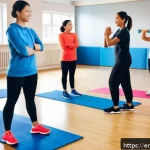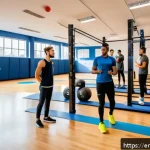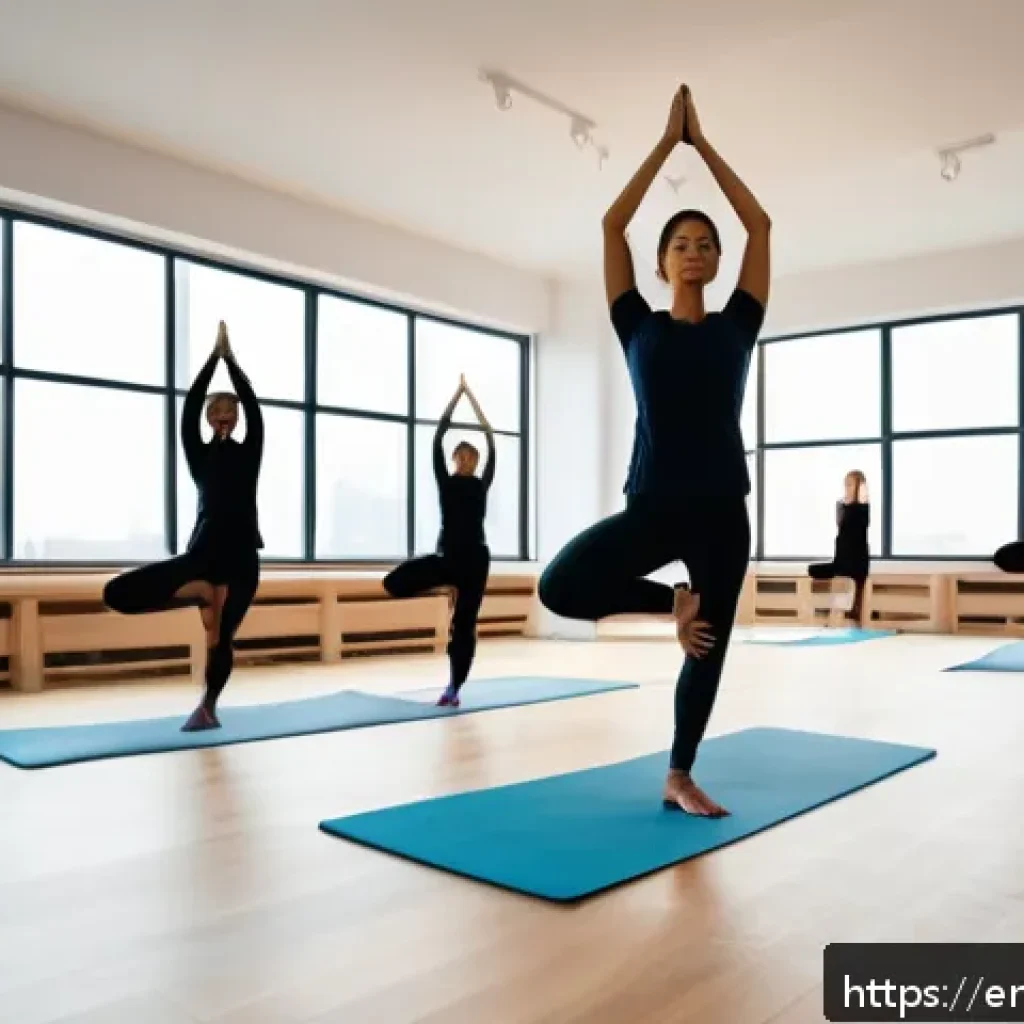
Hey there, future leisure sports instructors! With the growing enthusiasm for wellness and active lifestyles, passing your practical exam has never been more crucial.
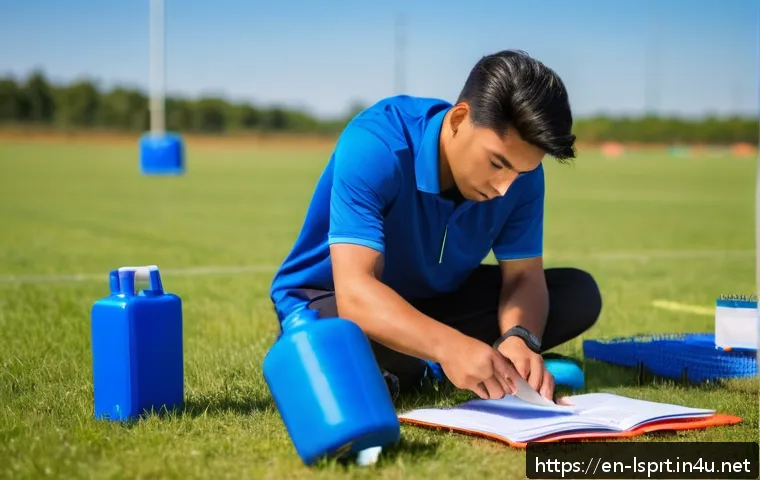
Whether you’re aiming to lead yoga classes, organize team sports, or guide outdoor adventures, nailing this test can open doors to exciting career opportunities.
I’ve been through the process myself, and I know how nerve-wracking it can be. But don’t worry—this guide is packed with insider tips that will boost your confidence and help you score top marks.
Ready to turn your passion into a profession? Let’s dive in!
Mastering Practical Skills Through Consistent Practice
Establishing a Daily Routine for Skill Improvement
Building a consistent daily practice routine is a game changer when preparing for your leisure sports practical exam. From my own experience, setting aside even 30 minutes every day to focus on specific techniques helped me internalize movements and correct my form.
Don’t just practice randomly—break down the skills into manageable chunks and repeat them deliberately. For example, if you’re preparing to lead a yoga session, dedicate time to perfecting your balance poses one day and transitions the next.
This steady approach builds muscle memory and reduces anxiety on test day.
Simulating Real Exam Conditions
One of the best ways to boost your confidence is to simulate the exam environment as closely as possible. Try timing yourself while performing each task, and record your sessions to spot areas for improvement.
When I did this, I realized I was rushing certain steps, which affected my overall flow. Practicing in a similar setting to the actual exam, maybe with peers acting as examiners or participants, made the whole experience less intimidating.
It also taught me to adapt quickly when unexpected challenges popped up.
Learning From Feedback and Adjusting Quickly
Feedback is invaluable, especially from instructors or experienced colleagues who understand the exam’s nuances. After my practice runs, I sought critiques not only on technical skills but also on my communication and leadership style.
Sometimes it’s easy to overlook how you come across while instructing, but this can heavily influence your score. When I took their advice seriously and made adjustments, my confidence soared, and my performance became more polished and authentic.
Effective Communication Techniques for Leadership
Clarity and Simplicity in Instructions
Clear communication is essential when guiding groups through activities, and it’s a key criterion in the practical exam. I learned that using simple, direct language helps participants understand instructions quickly, reducing confusion and safety risks.
Avoid jargon or overly complicated explanations—imagine you’re talking to someone completely new to the sport. When I practiced this, I noticed participants responded better and stayed engaged, which reflected positively during my assessments.
Engaging Participants Through Positive Reinforcement
Motivation is as important as technique in leisure sports leadership. Incorporating positive reinforcement, such as praising effort and progress, creates an encouraging environment.
During my training, I made a conscious effort to acknowledge small achievements aloud, and it transformed the group’s energy. This not only helped the participants but also demonstrated to examiners that I could foster a supportive atmosphere, which is crucial for successful instruction.
Nonverbal Communication and Body Language
Sometimes, what you don’t say speaks louder than words. Maintaining open, confident body language helps establish authority and approachability. I noticed that standing tall, making eye contact, and using purposeful gestures made my instructions more impactful.
Conversely, slouching or avoiding eye contact can undermine your credibility. Practicing these nonverbal cues in front of a mirror or recording device helped me refine my presence and command during sessions.
Time Management Strategies for Exam Day
Prioritizing Tasks to Maximize Efficiency
Time flies during the practical exam, and managing it well can be the difference between a smooth performance and feeling rushed. I found that mentally mapping out the sequence of activities before starting helped me stay on track.
For instance, I allocated specific time blocks for warm-up, skill demonstration, and cool-down, ensuring each phase received enough attention without overlap.
This approach minimized stress and kept the session flowing naturally.
Using Visual Aids to Stay Organized
Visual reminders like checklists or brief notes can keep you grounded during the exam. I created a small laminated card listing key points for each segment, which I reviewed right before my turn.
This simple tool prevented me from forgetting any critical steps or safety checks. It also boosted my confidence because I knew I had a reliable reference to fall back on if nerves kicked in.
Adapting When Unexpected Delays Occur
Despite careful planning, unexpected delays or changes can happen. I experienced this firsthand when equipment was missing, and I had to adjust my demonstration on the spot.
Staying calm and flexible is crucial. I quickly modified the activity to use alternative resources and kept the energy positive. Showing adaptability not only helped me complete the exam successfully but also impressed the evaluators, as this reflects real-world leadership skills.
Essential Equipment and Setup Tips
Preparing Your Gear in Advance
Nothing derails confidence like scrambling for equipment at the last minute. I learned to pack and check all my gear the day before the exam, from mats and cones to whistles and first aid kits.
This preparation eliminated unnecessary stress and allowed me to focus on performance. Plus, being organized demonstrated professionalism, which I believe made a subtle but positive impression on the examiners.
Arranging the Practice Space Effectively
Setting up the practice area to mimic the exam conditions helps you familiarize yourself with the environment. I always made sure pathways were clear, equipment was spaced appropriately, and safety measures were visible.
This not only made my practice sessions more realistic but also prepared me to create safe and efficient setups during the actual test, a factor that often influences scoring.
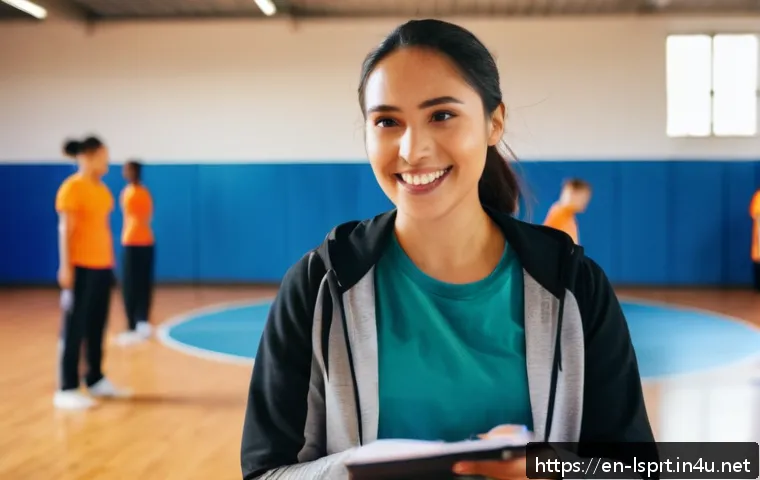
Maintaining Equipment During Practice
Regular maintenance of your sports equipment is often overlooked but critical. During my preparation, I cleaned, inspected, and repaired any gear showing wear and tear.
This attention to detail prevented malfunctions during practice and exam day, reducing distractions. It also reflected a level of care and responsibility that examiners appreciate, reinforcing your readiness to lead others safely.
Building Mental Resilience and Confidence
Visualization Techniques for Success
Visualizing the entire exam process before it happens can calm nerves and build mental resilience. I spent a few minutes each morning imagining myself confidently instructing, smoothly handling challenges, and receiving positive feedback.
This mental rehearsal created a sense of familiarity and control, which translated into real-world confidence when it mattered most.
Managing Stress Through Breathing and Mindfulness
The pressure of a timed practical exam can trigger stress, but controlled breathing and mindfulness exercises can help you stay centered. I practiced deep breathing techniques and brief mindfulness sessions to lower anxiety.
These tools were lifesavers right before my exam, helping me focus and maintain composure despite the high stakes.
Learning From Mistakes Without Losing Momentum
Mistakes are inevitable, but how you respond to them makes all the difference. During practice, I intentionally put myself in challenging scenarios and treated any slip-ups as learning opportunities.
Instead of dwelling on errors, I analyzed what went wrong and adjusted my approach. This mindset kept me motivated and prevented setbacks from turning into discouragement.
Summary of Key Exam Preparation Elements
| Preparation Aspect | Action Steps | Benefits |
|---|---|---|
| Consistent Practice | Set daily skill drills, simulate exam conditions, seek feedback | Builds muscle memory, reduces anxiety, improves technique |
| Communication | Use clear instructions, positive reinforcement, confident body language | Enhances participant engagement, shows leadership, boosts scores |
| Time Management | Plan session timing, use checklists, stay adaptable | Keeps flow smooth, prevents rushing, handles surprises well |
| Equipment Preparation | Pack gear early, set up space properly, maintain equipment | Increases professionalism, reduces stress, ensures safety |
| Mental Resilience | Visualize success, practice mindfulness, embrace mistakes | Improves focus, lowers stress, maintains motivation |
Leveraging Real-World Experience for Exam Success
Applying Practical Knowledge From Previous Roles
If you’ve worked or volunteered in sports or fitness environments, draw on those experiences during your exam preparation. I found that recalling real-life scenarios helped me anticipate participant reactions and manage group dynamics more effectively.
This practical insight enriched my exam performance, making my instruction feel genuine rather than rehearsed.
Incorporating Feedback From Past Sessions
Reflect on feedback you’ve received in previous coaching or leadership roles. During my preparation, revisiting past critiques helped me identify recurring challenges and focus my practice where it counted most.
This continuous improvement cycle deepened my expertise and gave me an edge during evaluation.
Building a Network for Support and Resources
Connecting with fellow leisure sports instructors or mentors can provide encouragement, tips, and resources. I joined online forums and local groups where members shared practice drills and exam strategies.
This community support kept me motivated and exposed me to diverse perspectives that enriched my preparation journey.
Closing Thoughts
Mastering practical skills for your leisure sports exam requires dedication, strategy, and adaptability. By committing to consistent practice and refining your communication and time management, you build not only competence but also confidence. Remember, every step taken in preparation brings you closer to performing with authenticity and ease on exam day.
Helpful Tips to Keep in Mind
1. Break your practice sessions into focused, manageable segments to enhance learning and retention.
2. Use realistic exam simulations, including timing and peer feedback, to reduce anxiety and improve performance.
3. Prioritize clear and encouraging communication to foster participant engagement and demonstrate leadership.
4. Prepare all equipment and space well in advance to avoid last-minute stress and show professionalism.
5. Incorporate mindfulness and visualization techniques to maintain mental resilience and stay calm under pressure.
Key Takeaways for Successful Exam Preparation
Effective exam preparation hinges on a balance of practical skill development, strong communication, and strategic time management. Organizing your equipment and environment ahead of time reduces distractions, while actively seeking and applying feedback sharpens your abilities. Building mental resilience through visualization and stress management ensures you remain composed and confident, even when unexpected challenges arise. Ultimately, combining these elements creates a solid foundation for exam success and lasting leadership in leisure sports.
Frequently Asked Questions (FAQ) 📖
Q: What are the most important skills to focus on when preparing for a leisure sports practical exam?
A: From my experience, the key skills include clear communication, safety awareness, and demonstrating proper technique. You’ll want to show that you can instruct participants confidently while keeping everyone safe and engaged.
Practicing how to explain movements step-by-step and anticipating common mistakes helps a ton. Also, don’t overlook your ability to motivate and adapt to different fitness levels—judges notice when you can connect with diverse groups naturally.
Q: How can I manage nerves during the practical exam to perform at my best?
A: I totally get how stressful it can be! One trick that worked for me was thorough preparation combined with mindfulness techniques. Before the exam, rehearse your routines repeatedly until they feel second nature.
On exam day, take a few deep breaths, visualize a successful session, and focus on the participants rather than the evaluators. Remember, it’s normal to feel nervous—it shows you care.
Channel that energy into enthusiasm, and try to treat the exam like a real class, not a test.
Q: Are there any specific tools or resources that can help me pass the leisure sports practical exam more easily?
A: Absolutely! Using video recordings of your practice sessions can be a game-changer. Watching yourself allows you to catch little habits or errors you might miss otherwise.
Also, seek feedback from experienced instructors or peers who’ve passed the exam—they often share valuable insights you won’t find in manuals. Finally, investing in a solid first aid and CPR certification boosts your credibility and confidence, since safety is always a top priority during the practical exam.