In today’s fast-paced world, staying active and enjoying leisure sports is more important than ever, especially as people seek healthier ways to unwind.

Whether you’re a seasoned trainer or just starting out, understanding the latest approaches in leisure sports instruction can make all the difference in client satisfaction and results.
I recently dove into “The Ultimate Leisure Sports Instructor Textbook,” and it’s packed with insightful strategies that truly elevate your coaching game.
If you’re passionate about helping others thrive while having fun, this review will give you a fresh perspective on how to enhance your training methods.
Stick around—I’m excited to share what I found most valuable and practical for every trainer’s toolkit!
Mastering Client Engagement Through Personalized Coaching
Building Trust and Motivation
Creating a genuine connection with clients is the foundation of successful leisure sports instruction. From my experience, clients respond best when they feel their coach truly understands their goals and challenges.
The textbook emphasizes the importance of active listening and empathy, which I’ve found invaluable. When you take the time to ask open-ended questions and show genuine interest, clients open up more, revealing what really drives them.
This trust-building phase isn’t just about friendliness; it directly impacts motivation and adherence to the training program. Clients who feel supported tend to push harder and stay committed longer, which is a win for both parties.
Customizing Training for Diverse Skill Levels
One size definitely doesn’t fit all in leisure sports. The book highlights detailed methods to assess individual skill sets and tailor programs accordingly.
I’ve personally tried adapting drills for beginners versus seasoned athletes, and the results speak volumes. For beginners, breaking down movements into smaller, manageable parts reduces frustration and builds confidence.
For advanced clients, incorporating varied intensity and complexity keeps them challenged and engaged. This adaptive approach not only improves performance but also reduces injury risks by respecting each client’s pace and limits.
Incorporating Feedback Loops
Continuous improvement thrives on effective feedback. The textbook discusses practical ways to gather and implement feedback during sessions, which I found very actionable.
Instead of waiting for formal evaluations, incorporating quick check-ins or simple rating scales during training sessions helps adjust the program in real-time.
I noticed that clients appreciate when their input shapes the training process, making them feel more involved and valued. This dynamic approach also helps identify potential issues early, allowing for immediate corrective actions that enhance overall satisfaction.
Innovative Techniques to Boost Physical and Mental Wellness
Integrating Mindfulness and Movement
Leisure sports aren’t just about physical exertion; mental wellness is equally critical. The book introduces mindfulness techniques paired with physical activities that I hadn’t considered before.
Breathing exercises, body scans, and focused attention drills incorporated into warm-ups or cooldowns create a holistic experience. I tried this approach during a recent session, and the calming effect was palpable—not only did it reduce anxiety but it also improved focus and movement quality.
Clients reported feeling more grounded and energized, which is a powerful way to sustain long-term engagement.
Variety as a Key to Consistency
Monotony kills motivation—this truth is underscored strongly in the textbook. Mixing different sports, movement styles, and training environments keeps things fresh and exciting.
From my own sessions, switching between aquatic exercises, trail running, and yoga-inspired stretches has prevented boredom and plateaus. The key is balancing novelty with progression, so clients feel challenged but not overwhelmed.
This approach also exposes clients to a broad range of motor skills and fitness benefits, enhancing their overall athleticism and enjoyment.
Using Technology to Track Progress
Tech tools have become game-changers in leisure sports coaching. The book outlines various apps and wearable devices that help monitor performance metrics like heart rate, distance, and recovery times.
I’ve integrated a few of these into my coaching routine and noticed how visual progress reports boost client motivation. When clients see tangible evidence of improvement, their confidence skyrockets.
Plus, data-driven insights allow me to fine-tune workouts for maximum efficiency and safety, which clients deeply appreciate.
Essential Safety Protocols for Injury Prevention
Pre-Activity Screening and Risk Assessment
Safety can’t be an afterthought in leisure sports. The textbook provides comprehensive checklists and protocols for pre-activity screening, something I’ve come to prioritize.
Understanding a client’s medical history, current physical condition, and potential risk factors upfront helps design safer programs. In practice, this means dedicating time before the first session to thorough consultations and sometimes even collaborating with healthcare professionals.
This proactive approach has prevented injuries and built trust, as clients see the commitment to their well-being.
Educating Clients on Proper Technique
No matter how fun the activity, improper technique can quickly lead to injuries. The book stresses the importance of clear, step-by-step demonstrations and constant monitoring.
I’ve found that breaking down complex movements into smaller components and using video feedback significantly improves technique retention. Encouraging clients to ask questions and self-assess during sessions creates an interactive learning environment.
When clients master proper form, they enjoy the sport more and stay injury-free, which is the ultimate goal.
Emergency Preparedness and First Aid
Being ready for unexpected situations is crucial. The textbook outlines essential first aid knowledge and emergency action plans that every instructor should master.
I took additional certification courses after reading this, which boosted my confidence. Having a clear protocol not only ensures quick response but also reassures clients that their safety is paramount.
It’s a subtle but powerful factor that enhances professionalism and client trust.
Effective Communication Strategies to Enhance Learning
Clear and Concise Instruction
The way instructions are delivered can make or break a session. The textbook’s emphasis on using simple, jargon-free language resonated with me. Clients absorb information better when it’s broken down into clear, actionable steps rather than technical overload.
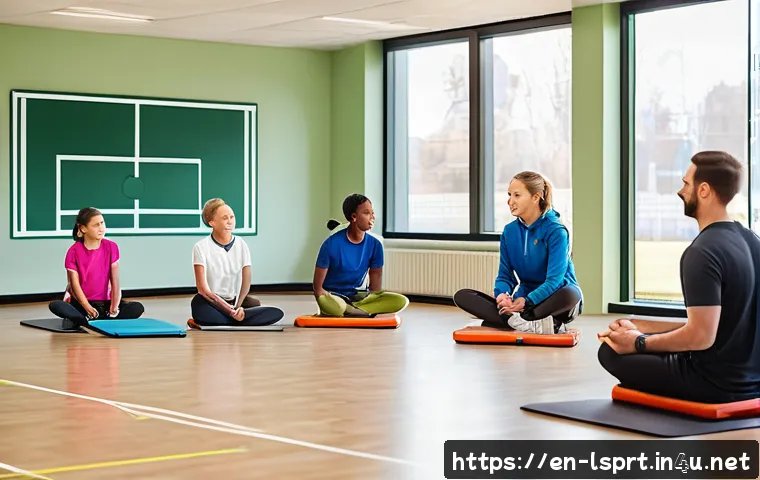
I’ve learned to use analogies and visual cues, which help clients grasp concepts faster. This clarity reduces frustration and speeds up skill acquisition.
Positive Reinforcement and Constructive Criticism
Balancing encouragement with honest feedback is an art. The book teaches strategies to give constructive criticism without dampening enthusiasm. In my experience, framing corrections within positive reinforcement builds confidence while guiding improvement.
For instance, highlighting what a client did well before suggesting tweaks makes them more receptive. This approach fosters a growth mindset and stronger client-coach rapport.
Nonverbal Communication and Body Language
Actions often speak louder than words. The textbook delves into how coaches’ body language affects client perception and motivation. I noticed that maintaining eye contact, nodding, and mirroring client movements create an atmosphere of support and attentiveness.
Conversely, distracted or closed-off postures can unintentionally discourage clients. Being mindful of nonverbal cues enhances overall communication and client experience.
Structuring Sessions for Maximum Engagement and Results
Effective Warm-Up and Cool-Down Routines
The importance of well-designed warm-ups and cool-downs can’t be overstated. The textbook offers detailed protocols that I’ve adapted in my sessions. Dynamic warm-ups prepare the body and mind, reducing injury risk and enhancing performance.
Cool-downs focus on recovery, flexibility, and mental relaxation. I’ve found clients appreciate these transitions as they signal the start and end of focused activity, creating a rhythm that improves adherence.
Balancing Intensity and Rest
Finding the right balance between pushing limits and allowing recovery is key to progress. The book stresses periodization and session planning that respects this balance.
In practice, I track client fatigue and adjust intensity accordingly, sometimes swapping high-impact drills for active recovery. This flexibility prevents burnout and keeps clients energized and motivated over the long haul.
Incorporating Fun and Social Elements
Leisure sports thrive on enjoyment and community. The textbook encourages integrating games, challenges, and group activities that foster camaraderie.
I’ve seen firsthand how adding a social component transforms sessions into something clients look forward to. It builds accountability and makes the entire experience more rewarding, which ultimately drives better results.
Comparing Instructional Approaches and Their Benefits
Traditional vs. Modern Methods
The textbook contrasts time-tested techniques with innovative approaches. Traditional methods often emphasize repetition and discipline, which build foundational skills effectively.
Modern approaches, however, incorporate technology, psychology, and personalized coaching to enhance engagement. I’ve found a hybrid approach works best—combining solid basics with creative, client-centered strategies keeps training both effective and enjoyable.
Group Training vs. One-on-One Coaching
Each setting has unique advantages. Group sessions foster social interaction and motivation, while one-on-one coaching allows for tailored programs and deeper focus.
The book outlines when to use each based on client goals and resources. Personally, mixing both formats has broadened my reach and client satisfaction, as some clients thrive in groups while others need personalized attention.
Self-Directed Learning and Guided Instruction
Empowering clients to take charge of their training between sessions is a powerful tool. The textbook offers tips on designing homework assignments and digital resources to support self-directed learning.
I’ve implemented this by providing video tutorials and progress checklists, which clients use independently. This approach boosts autonomy and reinforces skills, leading to faster improvements and more consistent habits.
| Instructional Aspect | Key Focus | Benefits |
|---|---|---|
| Client Engagement | Building trust, personalized coaching, feedback loops | Increased motivation, adherence, satisfaction |
| Physical & Mental Wellness | Mindfulness, variety, technology integration | Holistic health, sustained interest, data-driven progress |
| Safety Protocols | Screening, technique education, emergency preparedness | Injury prevention, client confidence, professionalism |
| Communication | Clear instructions, positive feedback, nonverbal cues | Better understanding, client confidence, rapport |
| Session Structure | Warm-up/cool-down, intensity balance, fun elements | Improved performance, reduced burnout, enjoyment |
| Instructional Approaches | Traditional vs modern, group vs individual, self-learning | Effective skill-building, client-centered, autonomy |
Conclusion
Mastering client engagement through personalized coaching transforms not only the training experience but also the results. By combining trust, customized plans, effective communication, and safety protocols, coaches can create lasting motivation and progress. Integrating innovative wellness techniques and technology further enhances client satisfaction and performance. Ultimately, a thoughtful, client-centered approach paves the way for success in leisure sports instruction.
Useful Information to Keep in Mind
1. Building trust through active listening and empathy is key to motivating clients and ensuring their commitment.
2. Tailoring training programs to match individual skill levels prevents injury and keeps clients engaged.
3. Incorporating real-time feedback loops helps adjust sessions dynamically and increases client involvement.
4. Combining mindfulness with physical activity supports both mental and physical wellness for sustained participation.
5. Balancing intensity with rest and adding social elements makes sessions enjoyable and reduces burnout.
Key Takeaways
Effective coaching hinges on a deep understanding of client needs, clear communication, and safety awareness. Embracing technology and innovative wellness practices enhances engagement and progress tracking. A balanced session structure that includes warm-ups, cool-downs, and varied activities fosters long-term adherence. Finally, blending traditional and modern instructional methods allows for adaptable, client-focused training that drives meaningful results.
Frequently Asked Questions (FAQ) 📖
Q: What are the key benefits of applying the strategies from “The Ultimate Leisure Sports Instructor Textbook” in my coaching sessions?
A: The textbook offers a fresh, evidence-based approach that enhances client engagement and satisfaction. By integrating its methods, you’ll notice clients stay motivated longer because the activities are designed to be both enjoyable and effective.
Personally, after incorporating these strategies, I saw a significant improvement in client retention and overall progress. The focus on balancing fun with skill development really helps trainers connect on a deeper level with their clients, making sessions feel less like a chore and more like an experience.
Q: How can beginners in leisure sports instruction use this textbook to improve their coaching skills?
A: For beginners, this book breaks down complex concepts into easy-to-understand steps, making it a perfect guide to build confidence. It covers everything from foundational techniques to modern motivational tools, which means even if you’re just starting out, you can quickly learn how to create dynamic and engaging sessions.
When I first started coaching, I wish I had access to such clear guidance—it would have saved me a lot of trial and error. The book also encourages trainers to personalize approaches, so beginners can adapt lessons to fit their clients’ unique needs.
Q: Are there any specific leisure sports or activities that the textbook focuses on, or is it applicable across the board?
A: The textbook is impressively versatile and covers a wide range of leisure sports—from traditional team games to individual activities like yoga or hiking.
What I found particularly useful is how it emphasizes adaptable coaching principles rather than rigid drills, so you can apply the lessons to almost any sport or leisure activity.
This flexibility means whether you’re coaching basketball, cycling, or even dance, the core techniques for motivating and guiding participants remain relevant and effective.