Navigating the practical exam for leisure sports instructors has become increasingly dynamic, reflecting the evolving demands of the industry. Recent trends highlight a stronger emphasis on real-world scenarios and hands-on skills, pushing candidates to demonstrate not just knowledge but adaptability.
Understanding these shifts can be a game-changer for anyone preparing to ace the test. Whether you’re a seasoned instructor or a newcomer, staying updated on the latest exam patterns is crucial.
Let’s dive into the details to ensure you’re fully equipped to succeed!
Mastering Practical Skills Through Scenario-Based Challenges
Immersive Situational Simulations
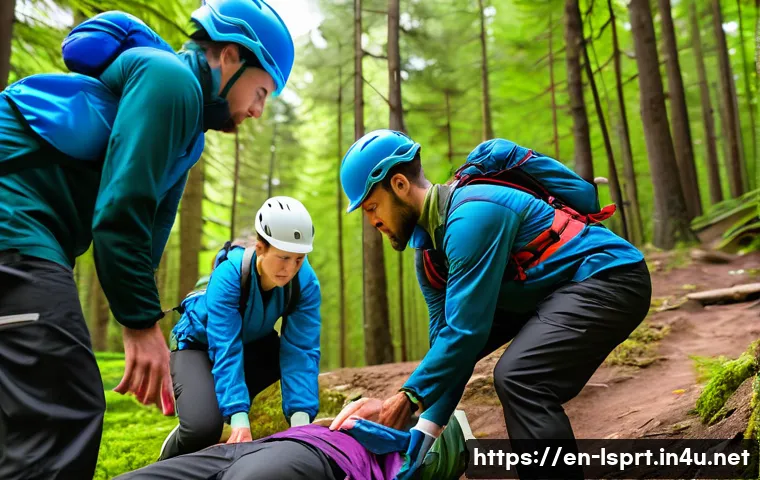
One major shift in practical exams is the focus on immersive situational simulations. Instead of simply reciting procedures or theoretical knowledge, candidates now face realistic scenarios that mimic actual challenges they’ll encounter on the job.
For example, you might be asked to manage a sudden injury during an outdoor activity or adapt a lesson plan on the spot due to changing weather conditions.
This approach tests not only your technical skills but also your critical thinking and quick decision-making. From my experience, rehearsing these unpredictable moments in training sessions can significantly boost confidence and performance during the exam.
It’s about proving you can stay calm and effective when things don’t go as planned.
Hands-On Equipment Handling and Safety Checks
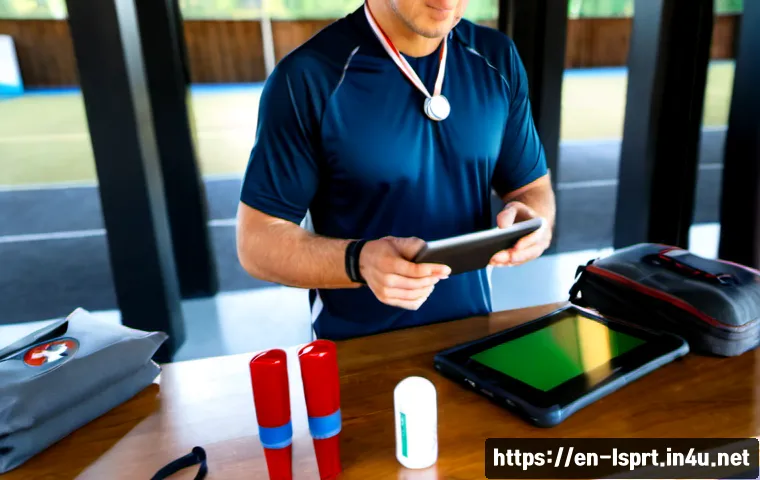
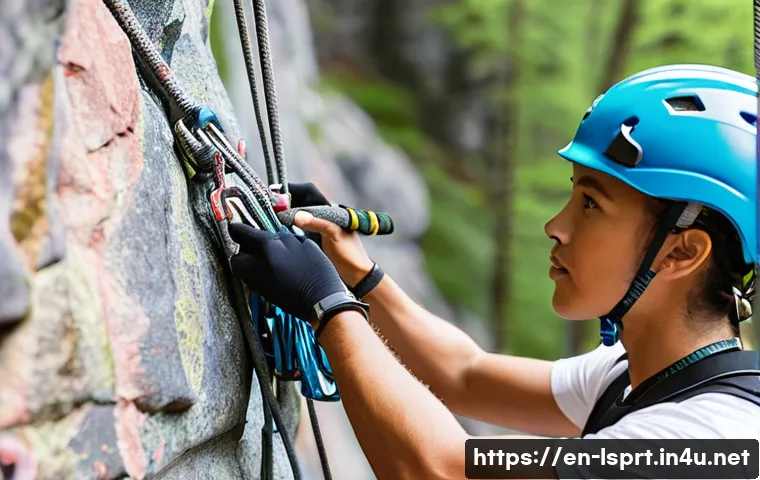
Another critical component is demonstrating proficiency with the actual gear used in leisure sports. Examiners expect you to perform thorough safety inspections and handle equipment confidently.
Whether it’s setting up climbing harnesses, inspecting kayaks, or preparing bicycles, attention to detail is key. During my preparation, I found that spending extra time practicing equipment setup and spotting potential hazards made a huge difference.
It’s not just about knowing the steps but showing a genuine understanding of why each safety measure matters. This hands-on focus ensures instructors can safeguard participants in real-world environments.
Personalized Instruction and Communication
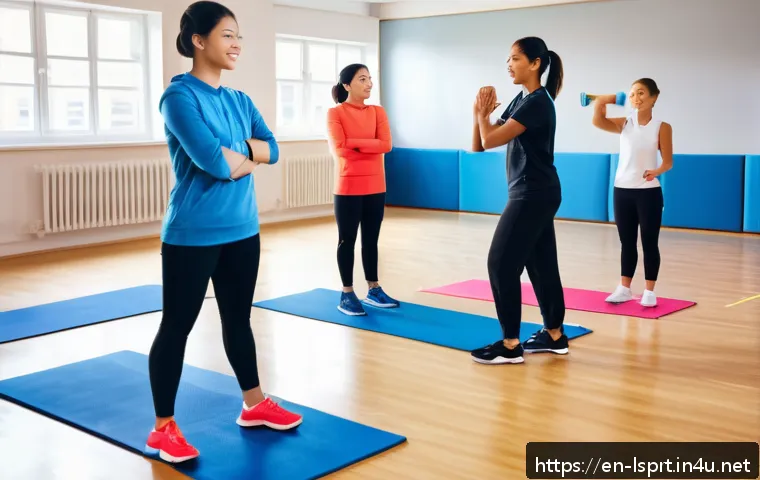
Effective communication tailored to diverse learners is increasingly emphasized. The exam may require you to demonstrate how you adjust your teaching style based on participant age, skill level, or physical ability.
For instance, explaining a technique to a beginner requires patience and clarity, while coaching advanced athletes calls for more technical language and feedback.
I’ve noticed that examiners pay close attention to your ability to engage and motivate participants, reflecting real job demands. Practicing with friends or volunteers from different backgrounds can help refine this skill, making your instruction more natural and impactful.
Integrating Technology and Digital Tools in Practical Assessments
Using Wearable Devices for Performance Monitoring
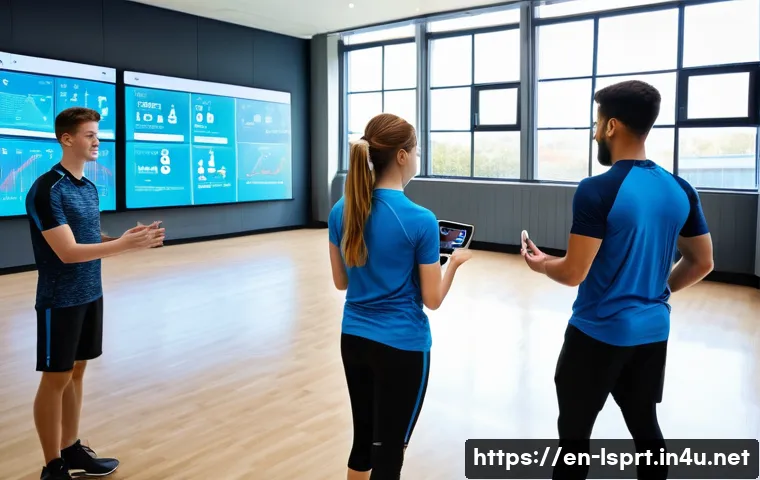
Technology is becoming an integral part of leisure sports instruction, and exams are catching up. Candidates might be asked to demonstrate how to use wearable devices like heart rate monitors or GPS trackers to assess participant performance.
This adds a layer of data-driven decision-making to your skillset. When I experimented with these tools, I realized how they can provide immediate feedback and help tailor training sessions more effectively.
Being comfortable with technology not only impresses examiners but also prepares you for modern coaching environments.
Digital Lesson Planning and Record-Keeping
The practical test may also include tasks involving digital lesson plans or maintaining participant records using apps or software. This reflects the administrative side of the role, where organization and accuracy are crucial.
I found that practicing on common platforms and understanding privacy considerations helped me approach this section with ease. Efficient digital record-keeping supports better program management and participant tracking, which are essential for long-term success as an instructor.
Virtual Reality and Simulation-Based Training
Some advanced exam centers are experimenting with virtual reality (VR) to simulate complex environments safely. While not yet widespread, being familiar with VR setups and their potential benefits can set you apart.
VR can recreate scenarios like difficult terrain or emergency responses, allowing you to practice without real-world risks. Exploring VR-based training modules gave me a fresh perspective on interactive learning and enhanced my adaptability.
Keeping an eye on these innovations can give you a competitive edge as the field evolves.
Adapting to Dynamic Environmental and Participant Conditions
Weather and Terrain Adaptability
Instructors must be ready to modify activities based on changing weather or terrain conditions. Practical exams often test your ability to identify hazards like slippery surfaces or strong winds and adjust plans accordingly.
During my prep, I simulated sudden weather changes during outdoor practice sessions, which helped me develop a flexible mindset. Being proactive about safety and alternative options shows examiners you’re prepared to protect participants in unpredictable settings.
Managing Diverse Participant Needs
Handling groups with varying fitness levels, disabilities, or cultural backgrounds is another vital skill. The exam may involve creating inclusive lesson plans or demonstrating adaptive techniques.
I learned that empathy and creativity are essential here, as no two participants respond the same way. Practicing inclusive instruction helped me communicate more effectively and foster a positive environment, which is exactly what the examiners look for.
Emergency Preparedness and Crisis Management
Emergencies can happen anytime, and demonstrating readiness is crucial. You might be tested on first aid procedures or evacuation protocols during the practical exam.
I found that combining theoretical knowledge with hands-on drills made me feel more confident in these high-pressure moments. Showing calmness and clear action plans during emergencies reassures both examiners and future clients of your professionalism.
Enhancing Physical and Mental Endurance for Exam Success
Building Stamina for Prolonged Activities
The practical exam often involves extended periods of physical activity, testing not only your skills but also endurance. Training your body to sustain energy levels throughout various tasks is essential.
When I prepared, I incorporated cardio and strength exercises to simulate the exam’s physical demands. This preparation helped me maintain focus and avoid fatigue, which can otherwise lead to mistakes or slower reactions.
Maintaining Mental Focus Under Pressure
Mental endurance is just as important as physical stamina. The pressure of performing well in front of examiners can be intense, and staying calm is key.
I practiced mindfulness and breathing techniques to manage stress, which made a noticeable difference during the exam. Being mentally prepared allows you to think clearly, communicate effectively, and execute tasks with precision, even when nerves kick in.
Balancing Rest and Recovery
It’s tempting to over-prepare and push yourself too hard, but rest is a crucial part of effective training. Ensuring adequate sleep and recovery periods helped me stay sharp and avoid burnout.
Prioritizing rest improved my overall performance and mood, making the exam experience less overwhelming. Remember, a well-rested instructor is a better instructor.
Effective Time Management and Strategic Exam Planning
Allocating Time for Each Practical Task
Time management during the exam can make or break your performance. Each task has a set duration, and pacing yourself ensures you complete all sections thoroughly without rushing.
I found that practicing with timers during mock exams helped me develop a realistic sense of how long each activity takes. This strategy minimizes last-minute stress and prevents careless errors caused by hurrying.
Prioritizing High-Impact Areas
Not all exam components carry equal weight, so focusing on high-impact skills can maximize your score. For instance, safety procedures and emergency responses often have significant importance.
During my study phase, I identified these priority areas and allocated extra practice time accordingly. This targeted preparation made me feel more confident tackling the exam’s critical elements.
Reviewing and Reflecting Post-Practice
After each practice session, taking time to review what went well and what needs improvement is invaluable. I kept a journal to track my progress and adjust my study plan based on honest self-assessment.
This habit helped me stay organized and continuously improve, which ultimately translated into smoother exam performance.
Understanding Assessment Criteria and Examiner Expectations
Clarity on Skill Competency Levels
Knowing exactly what examiners expect at each competency level can guide your preparation effectively. They look for proficiency in fundamental skills as well as the ability to apply them in complex situations.
During my prep, I studied official guidelines and sought feedback from experienced instructors to clarify these benchmarks. Understanding these nuances helped me focus on developing both technical expertise and practical application.
Professionalism and Attitude Evaluation
Examiners assess more than just technical skills—they value professionalism, attitude, and interpersonal skills. Demonstrating enthusiasm, respect, and a positive demeanor throughout the exam can influence your overall impression.
I made it a point to practice maintaining eye contact, using encouraging language, and showing genuine passion for the role, which I believe contributed to a favorable evaluation.
Common Pitfalls and How to Avoid Them
Awareness of common mistakes can save you from losing valuable points. These include neglecting safety checks, poor communication, and rushing through tasks.
I compiled a list of frequent errors and consciously worked to avoid them during practice. By anticipating these pitfalls, I was able to maintain a steady, confident performance during the exam.
| Exam Component | Key Focus | Preparation Tips | Estimated Time Allocation |
|---|---|---|---|
| Scenario-Based Challenges | Adaptability and problem-solving | Practice real-life simulations and quick decision-making | 30-40 minutes |
| Equipment Handling | Safety checks and technical skills | Hands-on practice with gear and hazard identification | 20-30 minutes |
| Communication & Instruction | Personalized teaching and motivation | Role-play with diverse participant profiles | 25-35 minutes |
| Technology Use | Data monitoring and digital tools | Familiarize with wearables and record-keeping apps | 15-20 minutes |
| Emergency Procedures | First aid and crisis management | Hands-on drills and scenario rehearsals | 15-25 minutes |
| Time Management | Task pacing and prioritization | Mock exams with timers and strategic planning | Throughout exam |
Building Confidence Through Reflective Practice and Feedback
Seeking Constructive Criticism
One of the best ways to improve is by actively seeking feedback from mentors or peers. Honest critiques highlight blind spots and areas for growth that you might miss on your own.
I regularly recorded my practice sessions and reviewed them with experienced instructors, which was eye-opening. Their insights helped me refine my technique and communication style, making me feel more prepared and confident.
Self-Reflection Techniques
Taking time to reflect on your own performance fosters self-awareness and continuous improvement. After practice sessions, I asked myself questions like “What worked well?” and “Where did I struggle?” This honest self-evaluation helped me set realistic goals and track progress over time.
Reflective practice is a powerful tool that keeps you engaged and motivated throughout your preparation journey.
Celebrating Small Wins
Acknowledging your achievements, no matter how small, builds positive momentum. I made it a habit to celebrate mastering a difficult skill or receiving positive feedback, which boosted my morale.
This mindset shift turned preparation from a stressful chore into an enjoyable process. Confidence gained this way translates directly into a more relaxed and poised exam performance.
In Conclusion
Mastering practical skills through scenario-based challenges prepares you for real-world situations with confidence and adaptability. Incorporating hands-on practice, effective communication, and technology use enhances your readiness. Remember, staying calm under pressure and reflecting on your progress are key to success. With dedicated preparation, you can approach your exam feeling capable and poised.
Useful Information to Keep in Mind
1. Practice real-life scenarios regularly to build quick decision-making skills and adaptability.
2. Prioritize hands-on equipment handling and thorough safety checks to demonstrate reliability.
3. Tailor your communication style to meet diverse participant needs for better engagement.
4. Familiarize yourself with digital tools and wearable devices to integrate technology smoothly.
5. Balance physical training with mental focus techniques and sufficient rest to maintain endurance.
Key Takeaways
Understanding what examiners expect—from technical competence to professionalism—can greatly improve your performance. Focus on safety, clear communication, and adaptability to dynamic conditions. Manage your time wisely during the exam and seek continuous feedback to refine your skills. Ultimately, a calm, prepared approach backed by reflective practice will set you apart and help you succeed confidently.
Frequently Asked Questions (FAQ) 📖
Q: What are the key changes in the practical exam for leisure sports instructors that I should be aware of?
A: The biggest shift is the move toward evaluating how well candidates handle real-life situations rather than just theoretical knowledge. The exam now focuses more on hands-on skills, like adapting to unexpected scenarios during a session or demonstrating effective communication with participants.
From my experience, this means you need to practice practical drills and scenario-based problem-solving to stand out. Simply memorizing textbook answers won’t cut it anymore.
Q: How can I best prepare for the hands-on components of the leisure sports instructor practical exam?
A: Preparation should be as close to real practice as possible. Try simulating actual class situations with friends or colleagues, focusing on clear instruction, safety checks, and quick decision-making.
When I prepared, I found video recording my mock sessions incredibly helpful—it revealed small habits I could improve. Also, staying physically fit and familiar with the equipment you’ll use during the exam boosts your confidence and performance.
Q: For someone new to the industry, what’s the most important mindset to have when taking the practical exam?
A: Embrace flexibility and stay calm under pressure. The exam is designed to test not just your skills but how you adapt when things don’t go as planned—think of it as a real workday scenario.
When I first took the exam, I reminded myself that making a mistake wasn’t the end, but how I recovered mattered most. Being approachable and showing genuine care for participants often leaves a strong impression on evaluators, so let your personality shine through.