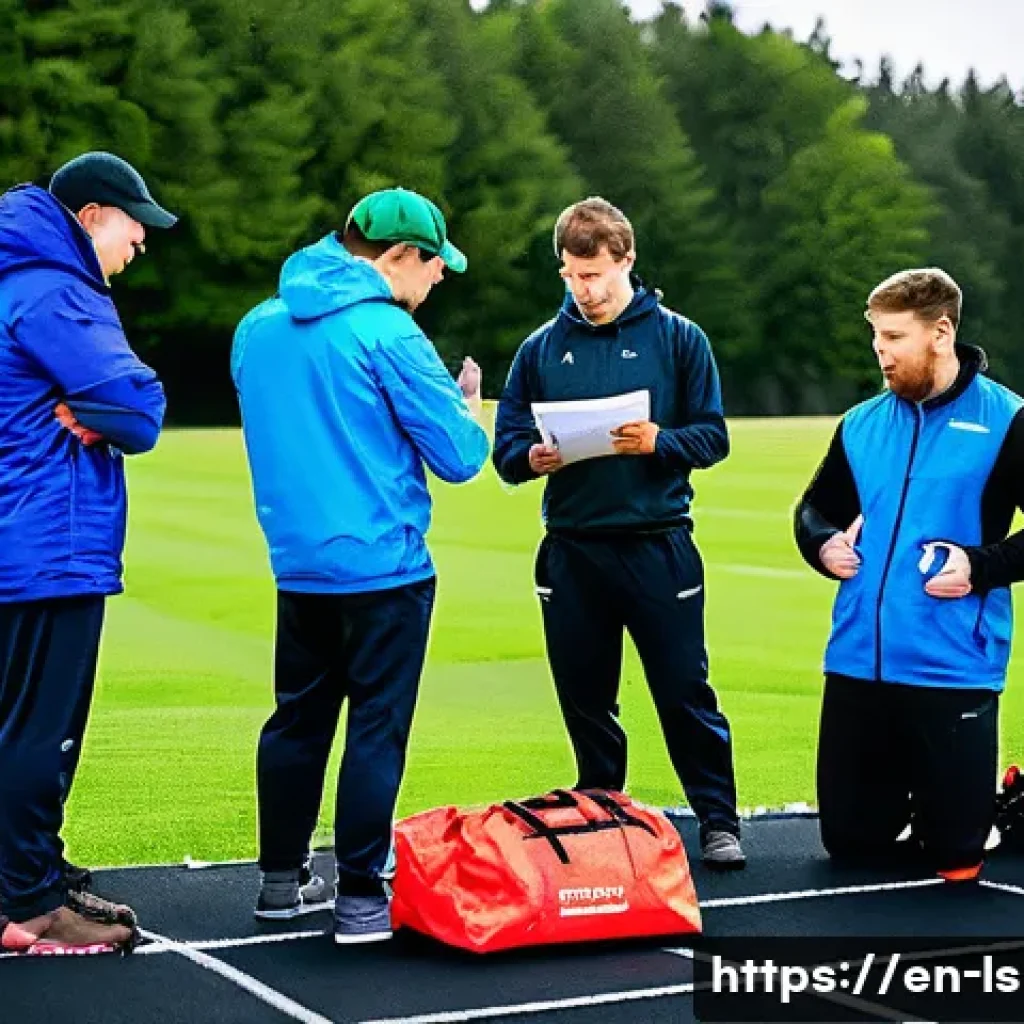
Taking the practical test for a leisure sports instructor can be quite challenging, even for those well-prepared. Many candidates stumble over common mistakes that could easily be avoided with a bit of insight.
From mismanaging time to overlooking essential safety protocols, these errors often cost valuable points. Understanding these pitfalls ahead of time can make a huge difference in your confidence and performance.

Let’s dive into the details and explore how to steer clear of these frequent missteps for a successful outcome. I’ll walk you through everything you need to know, so let’s get started!
Mastering Time Management During Your Practical Test
Prioritizing Tasks Effectively
One of the biggest challenges during the practical test is figuring out how to allocate your limited time across different tasks. I’ve noticed that many candidates dive headfirst into their favorite activities, only to realize later that they’ve spent too long on less important parts.
To avoid this, break down the entire test into segments and assign a rough time limit to each. For example, if you have a 60-minute test, spend around 10 minutes on warm-up and safety checks, 40 minutes on the main activities, and save the last 10 minutes for cool-down and feedback.
This approach keeps you on track and helps you avoid rushing at the end, which is a common pitfall.
Using a Timer Without Losing Focus
It sounds simple, but keeping an eye on the clock without letting it distract you is tricky. I’ve tried setting a timer on my wristwatch, which gave me gentle reminders without making me panic.
The key is to glance at your timer during natural breaks, like when transitioning between exercises or checking equipment. This way, you stay aware of your pace without interrupting your flow.
Avoid constantly checking the clock, which can make you nervous and affect your performance. Practice this timing strategy during your mock sessions, so it becomes second nature on test day.
Adapting When Things Don’t Go as Planned
Tests rarely go exactly as rehearsed. Maybe an equipment malfunction or a sudden change in weather throws you off schedule. In those moments, it’s crucial to stay calm and adjust your plan.
For instance, if you lose 5 minutes fixing gear, you might need to shorten a less critical segment or combine activities. I’ve found that flexibility paired with quick decision-making is a game-changer.
Don’t get stuck trying to perfect one task at the expense of others. Instead, keep your eyes on the bigger picture: completing all required components efficiently.
Ensuring Safety Protocols Are Second Nature
Memorizing Essential Safety Steps
Safety is non-negotiable, yet it’s surprising how often candidates overlook basic protocols under pressure. I recommend creating a checklist of safety steps relevant to your sport and practicing it repeatedly until it becomes automatic.
For example, checking equipment integrity, confirming participant readiness, and conducting a thorough environment scan should be ingrained habits. When these steps are second nature, you won’t have to consciously remind yourself during the test, which reduces stress and prevents costly oversights.
Communicating Safety Clearly to Participants
Effective communication is a big part of demonstrating your safety awareness. Simply following the rules isn’t enough; you need to explain them clearly to your group.
When I practiced, I made sure to speak calmly and confidently about potential risks and necessary precautions. This reassured participants and showed the evaluators that I could manage safety proactively.
Use simple language and check for understanding by asking participants questions or having them repeat instructions back to you.
Responding Confidently to Emergencies
Though rare, emergencies can happen during tests, and your reaction speaks volumes about your preparedness. I once simulated a minor injury scenario during training, which helped me practice staying composed and initiating the correct response steps.
Knowing first aid basics and emergency protocols ahead of time is crucial. If you remain calm and follow a clear plan, you’ll impress evaluators with your professionalism and readiness.
Demonstrating Clear and Engaging Instruction Skills
Structuring Your Explanation for Maximum Clarity
When giving instructions, clarity is everything. I used to ramble or over-explain, which confused participants and made the session feel disorganized.
Now, I break down instructions into short, digestible steps and check for understanding after each one. For example, instead of saying, “Now, let’s do some stretching exercises,” I specify, “We’ll start with a hamstring stretch.
Sit on the ground, extend your right leg, and reach toward your toes.” Clear, precise language helps participants follow along easily and keeps the session moving smoothly.
Using Positive and Encouraging Language
Motivating participants isn’t just about technical skill; it’s about energy and attitude. I found that using positive reinforcement like “Great job!” or “You’re improving with every try!” boosts morale and participation.
Even when correcting mistakes, framing feedback constructively—“Try keeping your back straighter here”—maintains a supportive atmosphere. This approach demonstrates your leadership qualities and makes the test environment more enjoyable for everyone.
Adjusting Instruction Style Based on Participant Needs
Every group is different. Some participants might be beginners, while others have prior experience. I learned to quickly gauge their skill levels and adapt my explanations accordingly.
For beginners, I slow down and use more demonstrations; for experienced individuals, I focus on refining techniques and increasing challenge levels. This flexibility shows your ability to cater to diverse groups, a key skill for any leisure sports instructor.
Maintaining Equipment and Environment Awareness
Pre-Check Routines to Avoid Last-Minute Issues
Many mistakes stem from neglecting equipment checks until the last minute. I make it a habit to inspect all gear well before the test starts. This includes checking for wear and tear, ensuring everything is clean and functional, and setting up the environment to meet safety standards.
This proactive approach reduces the risk of interruptions during the test and demonstrates professionalism.
Adapting to Environmental Conditions
Outdoor leisure sports often come with unpredictable weather or terrain challenges. I remember a test day when unexpected rain made the ground slippery.
I quickly adjusted the session plan to focus on safer activities and reminded participants about footing and caution. Being observant and ready to modify your approach based on environment shows evaluators that you can manage real-world conditions responsibly.
Organizing Equipment Efficiently During the Test
Keeping your equipment organized and accessible saves precious time. I use color-coded bags and clearly label everything to avoid fumbling. When you have a system, transitions between activities are smoother, and you appear confident and in control—qualities that examiners value highly.
Communicating Confidence and Professionalism
Maintaining Composure Under Pressure
It’s normal to feel nervous, but how you handle that anxiety matters. I’ve found that deep, controlled breathing and focusing on the task—not the outcome—help me stay composed.
Even if you make a small mistake, keep your cool and move forward confidently. Examiners look for someone who can lead calmly rather than someone who crumbles under stress.
Body Language That Commands Respect
Your posture, eye contact, and gestures communicate just as much as your words. Standing upright, making eye contact with participants, and using open gestures help establish authority and trust.
Avoid crossing your arms or looking down at the ground, as this can suggest insecurity.
Projecting Enthusiasm and Passion
Showing genuine enthusiasm for the sport and teaching inspires participants and impresses evaluators. I make sure to smile, use expressive tone variations, and share personal anecdotes when appropriate.
This human connection makes the session memorable and highlights your dedication beyond just technical knowledge.
Key Areas to Double-Check Before and During the Test
| Focus Area | Common Mistakes | Tips to Avoid |
|---|---|---|
| Time Allocation | Spending too long on minor tasks, rushing at the end | Set segment time limits, use discreet timers |
| Safety Protocols | Skipping checks, poor communication | Use checklist, practice clear explanations |
| Instruction Delivery | Over-explaining, unclear directions | Break instructions into steps, check understanding |
| Equipment Management | Late checks, disorganized setup | Pre-test inspections, organized storage |
| Professional Presence | Nervous body language, monotone voice | Practice calm breathing, use positive energy |
Conclusion
Mastering your practical test requires a blend of strategic time management, strict adherence to safety protocols, and confident communication. By preparing thoroughly and staying adaptable, you can navigate unexpected challenges with ease. Remember, your professionalism and enthusiasm are just as important as technical skills in impressing evaluators. Keep practicing, stay calm, and trust in your abilities to succeed.
Useful Tips to Keep in Mind
1. Break down your test into manageable time segments to maintain steady progress without rushing at the end.
2. Use timers subtly during natural breaks to stay on track without losing focus or increasing anxiety.
3. Practice safety routines until they become automatic, reducing stress and avoiding mistakes under pressure.
4. Tailor your instructions to the skill levels of your participants, ensuring clarity and engagement for everyone.
5. Organize your equipment in advance and be ready to adapt your plan based on environmental changes.
Key Takeaways for Success
Effective time allocation, unwavering commitment to safety, and clear, positive communication are essential pillars for passing your practical test confidently. Staying composed under pressure and demonstrating leadership through body language and enthusiasm can set you apart. Preparing in advance with checklists and rehearsals will help you respond flexibly to any surprises. Ultimately, your ability to combine technical knowledge with personable instruction will leave a lasting impression on evaluators.
Frequently Asked Questions (FAQ) 📖
Q: What are the most common mistakes candidates make during the leisure sports instructor practical test?
A: One of the biggest pitfalls is poor time management—candidates often spend too long on one task and rush through others, which impacts overall performance.
Another frequent error is neglecting crucial safety checks before and during activities, which can lead to serious deductions. Additionally, some candidates forget to clearly communicate instructions or demonstrate techniques effectively, which is essential for showing both competence and confidence.
Being aware of these can help you focus your preparation where it matters most.
Q: How can I improve my confidence and performance during the practical test?
A: Practicing under simulated test conditions has been a game changer for many. Try timing yourself as you go through each part of the test to build awareness of pacing.
Also, rehearsing safety protocols until they become second nature will reduce anxiety and ensure you don’t overlook anything important. Personally, I found that explaining my steps out loud during practice helped me stay clear and composed during the actual test.
Confidence grows with familiarity, so the more you prepare, the more natural it will feel.
Q: What should I focus on to avoid losing points on safety during the test?
A: Safety isn’t just a checklist—it’s a mindset. Before starting any activity, always perform a thorough equipment inspection and ensure the environment is hazard-free.
Don’t rush this part, as it sets the tone for the entire session. Also, clearly communicate safety rules to participants and demonstrate safe techniques yourself.
Examiners look for proactive risk management, so anticipate potential issues and show you can handle them calmly. This approach not only protects everyone involved but also boosts your credibility as an instructor.