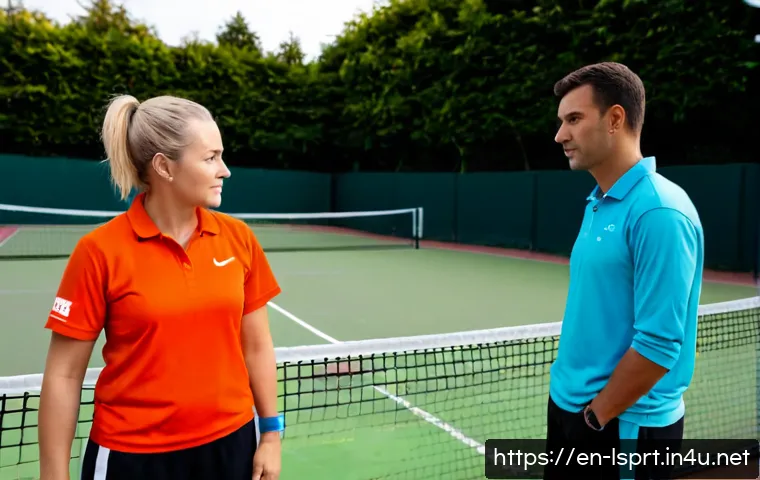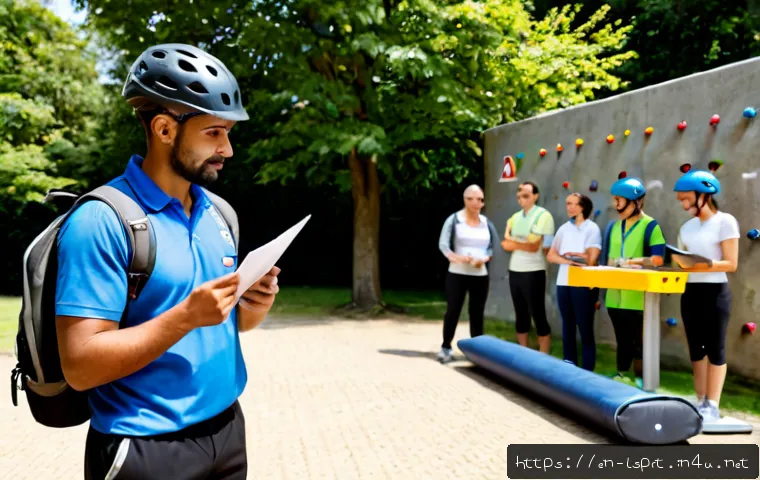
The written exam is often difficult because candidates must connect rules, safety, coaching principles, and sport-specific knowledge under time pressure.

Compare self-study, prep courses, and tutoring by cost, feedback, and weak-subject support.
A leisure sports instructor written exam can feel difficult because practical ability alone does not always prepare you for safety rules, coaching theory, scenario questions, and timed reading.
The best preparation method depends on whether your main problem is missing knowledge, misreading questions, weak time control, or a lack of feedback.
A paid exam-prep course may be useful when you need structure, current explanations, and regular practice. Self-study can be enough when you have reliable materials, understand the official syllabus, and can review mistakes honestly.
Before spending on a course, practice-question subscription, or tutor, identify the type of errors you are actually making.
At a Glance
- The written exam commonly tests more than sport performance; it may require you to apply safety, planning, ethics, and coaching principles to situations.
- Choose preparation based on your weakest area: knowledge gaps, question interpretation, time pressure, or inconsistent study habits.
- Verify the current official syllabus, eligibility rules, fees, scoring method, and retake policy before purchasing exam preparation services.
| Preparation Method | Typical Cost Level | Best Fit | Main Limitation |
|---|---|---|---|
| Self-study | Lower | Independent learners with reliable study materials and good self-review skills | Limited feedback when an answer is wrong |
| Exam-prep course | Moderate to higher | Candidates who need structure, topic coverage, and practice-question explanations | Quality can vary, especially with updates and syllabus coverage |
| Private tutoring | Usually higher | Candidates with one or two repeated weaknesses that need targeted feedback | May be unnecessary for broad content gaps |
| Group study | Low to variable | Learners who benefit from accountability and discussing scenarios | Can become unfocused without a clear plan |
What Makes the Written Exam Challenging in Real Terms?
Practical coaching experience and test-taking knowledge are not the same
Being skilled in a sport can be a strong starting point, but it does not automatically translate into strong written-test performance. In a practical setting, an experienced coach may respond naturally to an athlete or participant. In an exam setting, the candidate must identify the best answer from limited wording, often under time pressure.
This difference matters when a question asks what should happen first, what is safest, or which coaching response is most appropriate. Your real-world experience may help, but you still need to recognize the terminology and reasoning expected by the exam.
Why safety, ethics, planning, and terminology questions cause avoidable errors
Written certification exams commonly assess areas beyond physical technique. Questions may involve safety procedures, ethical decisions, session planning, instruction methods, and sport-specific knowledge. Candidates often lose marks not because they know nothing, but because they overlook a key condition in the question.
For example, a scenario may include a participant’s safety concern, a coaching objective, and a time limitation. Reading only for the familiar sport detail can cause you to miss the deciding factor. Slow down when words such as “first,” “most appropriate,” “safest,” or “best response” appear.
The three-line answer: identify the gap before buying more study materials
If you do not know the topic, you need content coverage.
If you know the topic but choose the wrong option, you need question-review practice.
If you know the answer but run out of time, you need timed practice.
Buying more materials without identifying the gap can waste both money and study time. A course, practice-test subscription, or tutor should solve a specific problem rather than simply make you feel more prepared.
Identify Your Main Difficulty Before You Choose a Study Method
Content knowledge gaps versus question-interpretation gaps
A content gap is straightforward: you see a topic and cannot explain the principle behind it. A question-interpretation gap looks different. You recognize the topic, feel confident, and still select an answer that does not fully address the scenario.
After each practice set, mark errors in two columns: “I did not know this” and “I misunderstood what was being asked.” This simple distinction helps you decide whether you need a textbook-style resource, better answer explanations, or direct feedback from an instructor.
Time-management problems versus inconsistent revision habits
Time pressure is not always a reading-speed problem. It can come from spending too long on uncertain questions, repeatedly changing answers, or trying to recall material that has not been reviewed recently. Inconsistent revision creates the same feeling: every question takes longer because the information is not easy to retrieve.
Use short timed practice sessions before attempting longer mock exams. Review where time was lost. Was it one difficult topic? Long scenario questions? Uncertainty between two options? Your answer determines what to improve next.
A quick diagnostic checklist using timed practice questions
- Can you explain why the correct option is better than the other options?
- Do your mistakes cluster around safety, ethics, planning, instruction, or sport-specific content?
- Do you miss key words in scenario-based questions?
- Do you finish practice questions with time remaining?
- Can you review errors without relying on someone else to tell you what went wrong?
If several answers are “no,” a structured exam-prep course or targeted tutoring may offer more value than another general study guide.
Self-Study, Prep Courses, or Tutoring: Which Offers Better Value?
Comparison criteria: structure, feedback, flexibility, and accountability
The right option is not necessarily the most expensive one. Compare study methods by syllabus coverage, explanation quality, update frequency, access to timed practice, and instructor support. A low-cost resource can be useful if it matches the current official requirements. A higher-cost course may be poor value if it offers vague lessons and limited explanation of mistakes.
When low-cost self-study is enough
Self-study can work well if you can access dependable materials, follow the official syllabus, and maintain a regular schedule around work or coaching commitments. It is especially suitable when your practice errors are occasional and you can correct them by reviewing the relevant topic.
Build your own structure: create topic lists, complete practice questions under timed conditions, and keep an error log. Avoid simply rereading notes. Your review should answer: What did I miss? Why was my chosen answer weaker? What clue will I look for next time?
When a structured course or tutor may justify the expense
A preparation course may be worth considering when you need a fixed study path, current explanations, and a regular supply of practice questions. Look for clear information about whether the course follows the current syllabus and how often content is updated.
Private tutoring can be a better fit when the issue is narrow but persistent. For example, you may repeatedly struggle with scenario interpretation, safety-rule reasoning, or planning questions despite understanding the basic material. In that situation, targeted feedback may be more useful than paying for a broad course again.
Common Preparation Mistakes That Make the Exam Feel Harder
Memorizing isolated terms without applying them to coaching scenarios

Definitions matter, but the written exam may require application rather than recall alone. Practice turning each term into a coaching situation. Ask yourself what the concept would change in a session, a safety decision, or a participant interaction.
Using outdated or unofficial materials without checking the current syllabus
Do not assume that an old guide, shared notes, or an unverified question bank reflects the current exam. Before relying on any study material, compare its topic list with the official syllabus and check whether eligibility, scoring, format, or retake rules have changed.
Avoiding timed practice until the final week
Untimed revision can create false confidence. You may understand a topic when reading quietly but struggle to apply it quickly across many questions. Add timed practice earlier, even if the sessions are short. The goal is to learn how you make decisions under realistic pressure.
Build a Practical Study Plan Around Your Weakest Areas
Divide topics into clear categories
Organize study notes into safety, instruction, planning, ethics, and sport-specific knowledge. This makes weak areas visible. It also prevents the common habit of repeatedly studying only the topics you already enjoy.
Use error logs instead of repeatedly rereading notes
An error log is more useful than a large stack of highlighted pages. Record the topic, your chosen answer, the correct reasoning, and the trigger word or concept you missed. Review the log before new practice sessions. Over time, repeated patterns become easier to spot.
Balance study time with work, training, and coaching commitments
A realistic plan is easier to follow than an ambitious one you abandon after a few days. Assign focused sessions to your weakest category, then use shorter review blocks for familiar topics. If your schedule is unpredictable, a flexible online course or practice-question subscription may be more suitable than fixed live classes.
Choosing Your Preparation Method: Final Comparison and Decision Checklist
Choose self-study if you have reliable materials and can diagnose mistakes
Self-study is a sensible option if you understand the official syllabus, can stay consistent, and can explain why your answers are wrong. It offers flexibility and may reduce unnecessary spending on broad exam-prep packages.
Choose a course if you need structure, updated explanations, and regular practice
Consider an exam-prep course when you need help organizing topics, understanding difficult explanations, or maintaining a study routine. Before enrolling, check where the course explains its syllabus coverage, update process, practice-question format, and available learner support.
Choose tutoring if one or two recurring weaknesses need targeted feedback
Tutoring may be the better value when your challenge is specific: repeated confusion with scenario questions, persistent time-management problems, or difficulty applying theory to coaching decisions. Ask whether the tutor reviews your errors and adapts sessions to your weak areas.
Selection Criteria and Comparison Summary
Use these final checks before choosing a preparation method:
- Have you verified the official syllabus and current exam conditions?
- Do you need more content, better question explanations, or direct feedback?
- Does the course include timed practice rather than lessons alone?
- Are practice questions explained clearly, including why alternatives are less suitable?
- Can the study format fit around your work, training, and coaching schedule?
Pay for structured support if feedback and timed practice are your main gaps. Review the official information and the provider’s detailed course conditions before making a purchase.
In Closing
The written leisure sports instructor exam often feels harder than expected because it tests decision-making, not just practical confidence. The most efficient preparation starts with identifying why you are missing questions. Choose self-study, a prep course, or tutoring based on that evidence. A focused plan and consistent error review are usually more useful than collecting more materials.
Useful Information to Keep in Mind
Practice questions are most valuable when they include explanations. Scenario-based questions deserve extra attention because they test reading accuracy as well as knowledge. Keep your study materials aligned with the current official syllabus, and treat shared notes or unofficial question banks as items to verify rather than automatic sources of truth.
Important Notes
The exact exam subjects, format, passing score, fees, eligibility rules, approved resources, and retake policy depend on the relevant credentialing authority and location. Confirm these details through official information before registering for an exam or paying for a course, tutoring package, or practice-question subscription.
Frequently Asked Questions
Q1. Is a paid prep course worth it for a leisure sports instructor written exam?
A1. It can be worthwhile if you need structure, updated explanations, timed practice, or help reviewing mistakes. If you already have reliable materials and can identify your own weak areas, self-study may be enough. Check syllabus coverage and question explanations before paying.
Q2. Why do experienced athletes or coaches still struggle with the written portion?
A2. Practical experience and written-test skills are different. The exam may require candidates to interpret scenarios, recognize formal terminology, prioritize safety, and select the best response under time pressure.
Q3. What should I check before buying practice questions, a course, or private tutoring?
A3. Check whether the resource reflects the current official syllabus, provides clear answer explanations, includes realistic timed practice, explains how often content is updated, and offers the type of feedback you need. Also verify the official exam rules separately before relying on any commercial preparation service.