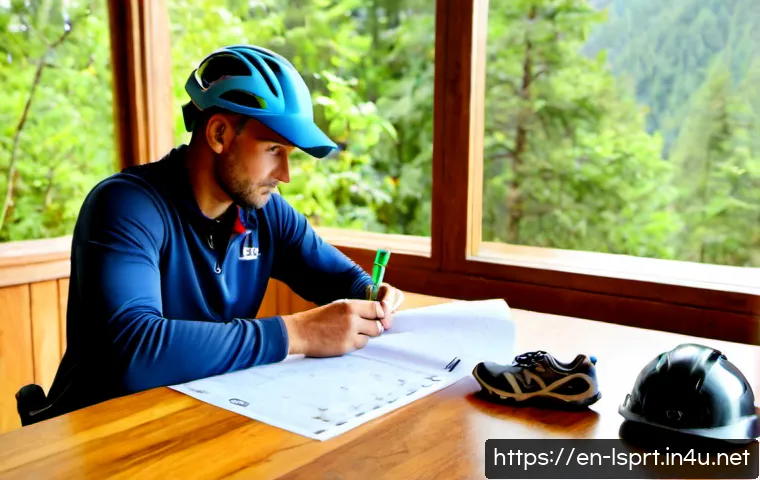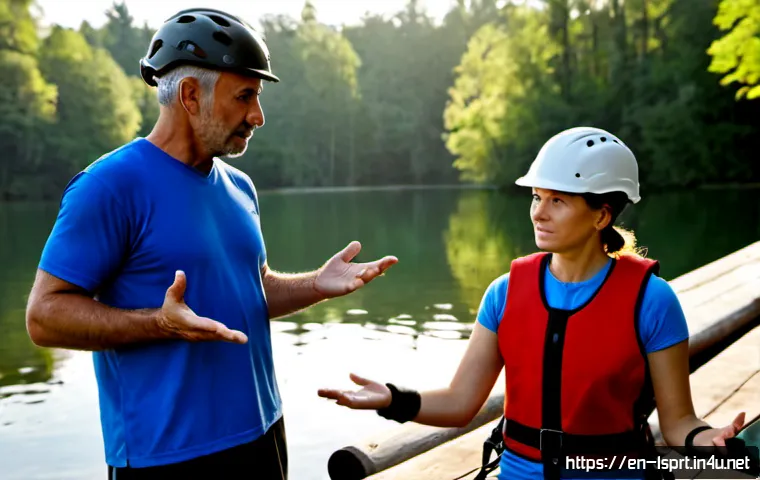
Motivation lasts longer when you connect certification prep to a specific instructor role and track small weekly proof of progress. Choose your preparation route only after confirming the certification authority’s practical, safety, and renewal requirements.

Independent study can suit candidates who already understand the sport and assessment expectations, while a structured course or private coaching may be more useful when hands-on feedback is needed.
The best option is not always the most expensive one; it is the one that fits your gaps, schedule, and total budget. Short, repeatable study and practice sessions are usually easier to maintain than a last-minute push.
Before paying for a course, compare what it includes and whether it meets the requirements for the setting where you hope to coach.
At a Glance
- Build motivation around a real coaching goal, not a vague idea of “getting certified.”
- Compare course requirements before paying an enrollment fee, especially practical training and safety components.
- Use short study sessions and practical checkpoints to make progress visible each week.
| Preparation Route | Time Commitment | Typical Cost Categories | Best Fit |
|---|---|---|---|
| Self-study | Flexible, self-scheduled study and practice | Study materials, assessment fees, equipment, travel | Candidates who understand the required content and can arrange suitable practical practice |
| Group certification course | Scheduled lessons, practical sessions, and assigned coursework | Tuition, materials, assessments, travel, possible renewals | People who want structure, peer learning, and guided practical instruction |
| One-to-one coaching | Focused sessions arranged around specific skill gaps | Coaching fees, venue or equipment costs, travel, assessments | Candidates who need direct feedback on practical coaching or safety skills |
Build Motivation Around a Clear Instructor Goal
The most reliable motivation comes from knowing what the credential is meant to help you do. Recreational sports instructor certification requirements can vary by sport, region, governing body, and employer, so start by defining the role you want: the activity you hope to teach, the setting where you want to work, and the participants you expect to support.
Define the sport, setting, and type of participant you want to coach
“I want a certification” is broad. “I want to coach beginner adults in a local recreational setting” gives your preparation a direction. Your likely setting may affect which safety training, first-aid or CPR preparation, safeguarding expectations, background checks, and liability considerations are relevant. Check the official requirements before building your study plan around assumptions.
Turn a distant certification goal into weekly evidence of progress
Use milestones that you can actually see. One week, review a theory topic. The next, practice explaining a skill clearly. Then review safety procedures or ask for feedback on a coaching drill. These small checkpoints are more useful than waiting to feel fully motivated. A completed task is evidence that your plan is working.
Use a simple “why this matters” reminder for difficult study days
Write one short reason you are preparing: helping newcomers feel safe, sharing a sport you enjoy, or building toward an instructor opportunity. Keep it practical. On a low-energy day, your job is not to complete everything. Your job is to complete the smallest useful task that protects your routine.
Compare Preparation Paths Before Spending Money
A certification course, exam-prep resource, or coaching package should solve a clear problem. Before buying anything, identify whether your main need is knowledge, practical feedback, safety preparation, accountability, or scheduling structure.
Self-study versus structured certification courses versus private coaching
Self-study can be efficient when you already know the certification framework and have access to safe practice opportunities. A structured certification course may be worth considering when the program includes required practical training, assessed coaching practice, or supervised safety instruction. One-to-one coaching can be valuable if you have a specific weak area, such as explaining drills, leading a session, or applying safety procedures under observation.
Do not assume that an online course alone is accepted for a practical instructor certification. Some pathways may assess both knowledge and practical coaching or safety skills. Confirm what the official authority accepts before enrolling.
Cost categories to check before you commit
Look beyond the course fee. Your total preparation cost may include tuition, study materials, assessment fees, equipment, travel, first-aid or CPR training, and future renewal requirements. If liability insurance may be relevant to your intended work setting, understand the expectation before treating a credential as a long-term career investment.
When paid feedback or practical training provides more value
Paying for support makes more sense when it gives you something self-study cannot easily provide: direct observation, practical correction, supervised practice, or clear feedback tied to assessment criteria. If your knowledge is solid but your delivery is uncertain, targeted coaching may offer better value than purchasing multiple general exam-prep resources.
Create a Study Routine You Can Maintain
A sustainable routine beats an ambitious plan that disappears after a week. Consistent short practice sessions are generally easier to maintain than relying on intensive study immediately before an assessment.
Pair theory study with practical skills practice
Many instructor pathways assess both what you know and how you coach. After reviewing a theory topic, connect it to a practical action. For example, practice giving a concise explanation, planning a safe activity sequence, or reviewing how you would adjust an activity for a participant who needs more support. Keep all practice appropriate to your sport and training environment.
Use short sessions, scheduled review days, and realistic deadlines
Set a repeatable minimum session rather than an ideal schedule you cannot keep. Reserve separate time for review so earlier topics do not fade away. If you are considering a course with fixed dates, check whether its timetable fits your work, travel, and practice commitments before you enroll.
Track completed tasks instead of measuring motivation by mood
A simple checklist works well: theory reviewed, practical skill practiced, official requirement confirmed, question written down, feedback requested. Motivation naturally changes from day to day. A visible record of completed tasks gives you a more dependable measure of progress.
Avoid the Mistakes That Drain Momentum
Momentum often drops after an avoidable surprise: a missing requirement, an unsuitable course, or money spent on resources that do not address the real gap. A short verification step early can prevent that frustration.

Do not assume every online course meets practical certification requirements
Online learning can be useful for theory and exam preparation, but acceptance depends on the certification authority and the role. Check whether practical assessment, in-person training, supervised experience, or other components are required. Ask before paying, not after completing the material.
Check safety, first-aid, safeguarding, and background requirements early
Depending on the setting, first-aid, CPR, safeguarding, background checks, or liability requirements may apply. These items can affect your timeline and budget, so list them alongside your study tasks. Confirm requirements with the relevant governing body, program provider, or employer.
Avoid buying multiple resources before identifying your weakest skill area
More materials do not automatically create better preparation. If your obstacle is practical confidence, another theory guide may not help. If your obstacle is content knowledge, extra practice sessions may not solve it. Choose one resource or service based on the next gap you need to close.
Stay Consistent in Different Preparation Situations
If you work full time: use a minimum weekly study plan
Choose a baseline you can protect during busy weeks. Keep the plan small enough that it remains possible when work becomes demanding. Use longer sessions only as an extra, not as the foundation of your preparation.
If you are new to the sport: prioritize foundations and supervised practice
New candidates may benefit from a structured course or practical coaching because foundational technique, safety awareness, and communication skills often develop together. Focus on learning safely and clearly rather than rushing toward an assessment date.
If you have stalled: restart with one small assessment-ready task
Do not try to recover every missed session at once. Pick one action that moves you closer to readiness: review one topic, confirm one requirement, practice one explanation, or compare one course’s practical components. A small restart is easier to repeat than a dramatic reset.
Selection Criteria and Comparison Summary
Choose your preparation route by checking recognized requirements, practical feedback, schedule fit, total cost, safety-related obligations, and renewal expectations. Ask whether the course includes practical assessment preparation, whether online learning is accepted for your target certification, what separate fees may apply, and whether the provider explains continuing-education or insurance considerations. Before booking an assessment, confirm that you have completed every required component and understand the format. Compare official course requirements and detailed enrollment conditions before paying an enrollment fee.
Closing Thoughts
Preparing for a recreational sports instructor certification does not require constant enthusiasm. It requires a clear goal, a realistic route, and a routine you can repeat. Keep your spending connected to actual needs, especially when considering certification courses, exam-prep materials, or private coaching. Each confirmed requirement and completed practice task makes the final assessment feel less distant.
Useful Information to Keep in Mind
1. Requirements may differ by sport, region, governing body, and employer.
2. Practical coaching and safety skills may be assessed alongside theory.
3. Review renewal, continuing-education, and insurance expectations before making a long-term career plan.
4. Short, consistent sessions are often easier to sustain than last-minute intensive study.
Important Notes
This guidance cannot confirm the rules for a specific certification, country, sport, provider, or employer. Assessment format, eligibility, prices, pass requirements, renewal rules, and acceptance of online learning must be verified directly with the relevant authority or course provider. Certification does not guarantee employment, income, or a passing result.
Frequently Asked Questions
Q1. Is a certification course worth paying for, or can I prepare independently?
A1. Independent preparation may be suitable if you understand the official requirements, have reliable study materials, and can develop the required practical skills safely. A structured course may be worth the cost when it provides required practical training, feedback, supervised practice, or a schedule that helps you stay consistent. Compare what is included before enrolling.
Q2. How much should I budget for recreational sports instructor certification preparation?
A2. Review all relevant categories rather than focusing only on tuition. These can include course fees, study materials, assessments, equipment, travel, first-aid or CPR preparation, and possible renewal or insurance-related costs. Exact costs depend on the sport, provider, region, and requirements.
Q3. How can I stay motivated if I fail a practice assessment or fall behind schedule?
A3. Treat the result as feedback on one part of your preparation, not as a verdict on your ability to become an instructor. Identify the specific weak area, choose one small corrective task, and return to a minimum weekly routine. If practical feedback is the missing piece, consider whether a suitable course or targeted coaching would address that gap.