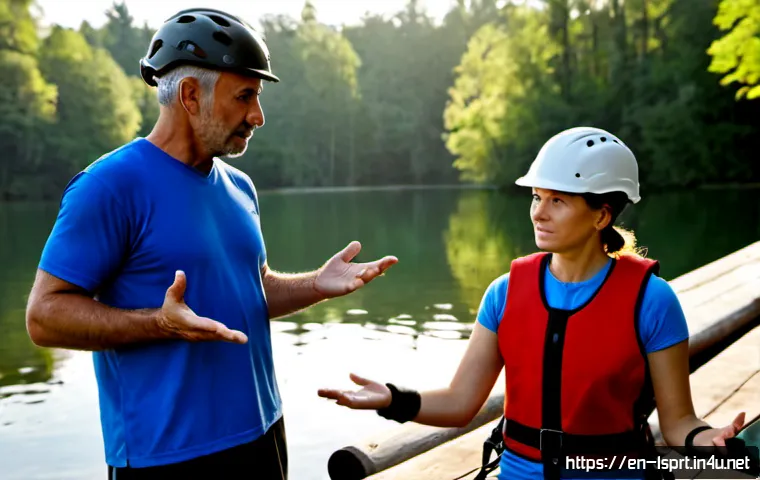
Address conflict by protecting safety first, moving the discussion away from the group, and recording the basic facts before deciding what happens next.
A calm instructor conversation can resolve routine disagreements, but threats, harassment, discrimination, injuries, or safeguarding concerns should move immediately into your organization’s escalation process.
Recreational sports sessions bring together participants, parents, volunteers, facility staff, and managers, so expectations can easily collide. Clear rules, consistent enforcement, and respectful private conversations reduce unnecessary disputes.
Programs that experience repeated issues may benefit from staff conflict-resolution training, stronger conduct policies, or better facility-management processes.
The right level of support depends on the seriousness of the event, staff capacity, and the organization’s own procedures.
At a Glance
- Protect safety first: pause unsafe activity and use established procedures for serious conduct or safeguarding concerns.
- Handle routine disputes privately: separate those involved, hear brief accounts, and refer back to the session rules.
- Document and follow up: record the date, behavior, response, and next step while the details are recent.
| Response option | Best fit | Key action | When not to rely on it alone |
|---|---|---|---|
| Instructor conversation | A routine disagreement with no immediate safety concern | Speak privately, restate the rule, and agree on a next action | When conduct involves threats, harassment, discrimination, injury, or safeguarding concerns |
| Supervisor intervention | A repeated issue, parent complaint, or dispute that the instructor cannot resolve consistently | Share factual notes and follow the program’s internal process | When the organization’s procedures require formal reporting or urgent action |
| External mediation or staff training | Recurring conflict patterns, unclear policies, or limited staff confidence | Compare service scope, policy support, and staff-development needs | When an immediate safety or safeguarding response is required |
What to Do First When a Conflict Disrupts a Recreation Session
The first job is not deciding who is right. It is keeping the session safe, calm, and manageable. A short, consistent response also shows participants that the same expectations apply to everyone.
Protect Immediate Safety Before Discussing Who Is Right
If an argument is affecting play, stop the relevant activity and create space. Address immediate safety risks before discussing fouls, team selection, or fairness. Conflicts involving threats, harassment, discrimination, injury, or safeguarding concerns should be escalated through the organization’s established procedures rather than handled as an ordinary disagreement.
Separate the People Involved and Lower the Emotional Temperature
When there is no immediate danger, move the conversation away from the group. A private and respectful discussion is generally more effective than correcting someone publicly. Use brief, neutral language: explain that you will listen, refer to the session expectation, and decide the next step after hearing what happened.
Record the Essential Facts While the Event Is Recent
Write down the date, behavior, response, and follow-up. Keep the note factual rather than speculative. For example, record what was said or done, which session rule was referenced, who was informed, and what action is planned. Secure documentation helps instructors and program managers respond consistently if the issue returns.
Compare Response Options: Instructor Conversation, Manager Escalation, or External Support
The appropriate response depends on seriousness, repetition, and staff capacity. Using the same decision criteria across sessions can reduce claims of favoritism and make facility management more predictable.
When a Brief Coaching Conversation Is Appropriate
A direct instructor conversation can work when the dispute is limited, participants can calm down, and no serious conduct concern is present. Examples include frustration over a scoring call, disappointment about team placement, or a disagreement about turn-taking. State the rule, explain the immediate decision, and redirect attention to safe participation.
When a Program Supervisor Should Take Over
Involve a manager when the complaint continues after a reasonable conversation, when a parent or guardian challenges supervision, or when repeated behavior affects the group. A supervisor can review incident notes, apply the written code of conduct, and decide whether a broader program response is needed. This also helps avoid placing one instructor in the position of managing a prolonged dispute alone.
When Mediation, Staff Training, or Risk-Management Support May Be Worth the Cost
External mediation may be useful when communication has broken down between parties and the organization needs a structured, neutral process. Staff conflict-resolution training can add value when multiple instructors apply rules differently or feel uncertain during parent conversations. Risk-management support, liability insurance review, and facility-management software may also be worth comparing when incident records, scheduling, conduct policies, or communication are difficult to manage consistently.
Practical Conflict Scenarios Recreation Instructors Commonly Face
Disputes Over Playing Time, Teams, or Perceived Favoritism
A participant may believe another player receives better opportunities, while a parent may question how teams were formed. Avoid debating personal opinions in front of the group. Refer to the stated participation approach or session expectation, explain what can be addressed now, and note any concern that needs manager review. The main protection is consistent rule enforcement, not a perfect explanation in the moment.
Arguments About Rules, Fouls, Scoring, and Competitive Behavior
Competitive moments can quickly become personal. Pause the exchange, state the relevant rule, make the practical decision needed to continue the session, and move on. If a participant continues arguing, separate the conduct issue from the original call: the score may be settled, but respectful behavior remains an independent expectation.
Parent or Guardian Complaints About Communication and Supervision
Listen without promising a result before you have reviewed the facts. Thank the parent or guardian for raising the concern, clarify what information you can address, and identify whether a supervisor should follow up. Public discussions near the activity area can create confusion and pressure, so a private conversation or scheduled follow-up is often the better route.
Conflicts Caused by Mixed Ability Levels or Unsafe Conduct
Mixed experience levels can lead to frustration when one participant sees a drill as too easy and another sees it as too intense. Adjusting groups, restating safety boundaries, or changing an activity may help. If unsafe conduct occurs, treat the safety behavior as the priority rather than framing it only as a skill-level disagreement.
A Step-by-Step Process for Resolving Issues Without Escalating Them
Listen to Each Account Without Promising an Outcome Too Early
Give each person a brief opportunity to explain what they observed. Ask simple questions and avoid taking sides before the relevant facts are clear. Saying, “I will review what happened and follow our session rules,” is more reliable than making a quick promise under pressure.
Refer to the Relevant Rule, Code of Conduct, or Session Expectation
Use written expectations whenever possible. A code of conduct, safety rule, or participation guideline shifts the conversation away from personalities. It also gives staff a shared reference point when a manager later reviews the situation.

Agree on a Specific Next Action and Follow-Up Point
End the conversation with a clear next step. This might mean returning to the activity under stated conditions, speaking with a supervisor, or receiving a follow-up after the session. Vague endings often allow the same disagreement to restart.
Use Incident Notes That Are Factual, Neutral, and Secure
Incident notes should describe observable behavior and the response taken. Avoid labels, assumptions, or conclusions that are not supported by what was reported or observed. Follow the organization’s process for storing and sharing records securely.
Common Mistakes That Increase Risk for Instructors and Facilities
Applying Rules Differently to Different Participants
Inconsistent decisions can turn a small complaint into a fairness dispute. Staff should know which rules are non-negotiable, how exceptions are handled, and when management approval is needed.
Trying to Resolve Serious Allegations Alone
Do not treat threats, harassment, discrimination, injury, or safeguarding concerns as a routine coaching issue. Follow established internal procedures and confirm the correct reporting route for your organization and location.
Debating With Parents or Participants in Front of the Group
Public arguments can embarrass participants and distract from supervision. Move non-urgent conversations to a private setting, while keeping the group safely supervised.
Treating Repeated Behavior as a One-Time Misunderstanding
A single issue may be resolved with coaching. Repeated behavior may indicate a need for a supervisor review, clearer boundaries, staff training, or a more reliable documentation process.
Choosing Conflict-Management Support for Your Program
Compare Training, Policy Templates, Mediation, and Facility-Management Tools
Training supports staff judgment in live situations. Policy templates can improve consistency if they fit the organization’s actual program. Mediation can provide a neutral structure for difficult communication. Facility-management tools may help program managers track incidents, session notes, staffing, and follow-up tasks. Each option solves a different operational problem.
Questions to Ask Before Paying for Staff Development or Outside Support
Ask whether the service fits your participant group, staff roles, written conduct rules, and existing escalation process. Check what training covers, whether policy guidance is adaptable, how records are handled, and whether liability insurance requirements affect the program’s choices. Review the official details and service conditions on the provider’s page before selecting support.
A Simple Checklist for Balancing Program Budget, Participant Safety, and Staff Capacity
Team size: Can current staff supervise and follow up effectively? Incident frequency: Are the same conflicts recurring? Budget: Is a targeted training session more useful than a broad service package? Insurance requirements: Does the program need to verify policy conditions? Training needs: Do instructors need practice with de-escalation, documentation, or parent communication?
Decision Criteria and Comparison Summary
Choose a simple instructor response when the issue is routine, calm, and safe. Involve a supervisor when the concern is repeated, disputed, or beyond one instructor’s authority. Consider mediation, staff conflict-resolution training, or facility-management support when the program has recurring patterns, unclear procedures, or limited administrative capacity. Before spending on a service, compare its fit with your team size, incident frequency, budget, insurance expectations, and training gaps. Official program procedures should remain the primary guide for serious incidents.
Final Thoughts
Conflict is not unusual in recreational sport, especially where people have different expectations about safety, participation, and competitive behavior. The most useful response is usually calm, consistent, and documented. Instructors do not need to solve every issue alone, but they should know when a routine conversation is enough and when escalation is necessary. Clear conduct rules and staff preparation make that judgment easier.
Useful Things to Know
Private conversations are generally more effective for non-urgent conduct issues. Written codes of conduct give staff a shared standard. Factual incident notes support continuity when another instructor or manager needs to follow up. Consistent enforcement can reduce disputes about fairness and participation.
Important Considerations
Exact legal duties, reporting rules, safeguarding requirements, and emergency response expectations vary by country, state, organization, and circumstance. This information does not determine whether a specific event requires emergency services, formal reporting, disciplinary action, or legal advice. Check your organization’s current policies and applicable local requirements before acting on serious concerns.
Frequently Asked Questions
Q1. When should a recreational sports instructor involve a manager instead of handling a disagreement alone?
A1. Involve a manager when the issue is repeated, cannot be resolved through a calm rule-based conversation, involves a parent or guardian complaint, or affects the wider session. Threats, harassment, discrimination, injury, and safeguarding concerns should follow the organization’s established escalation procedures.
Q2. Is conflict-resolution training worth the cost for a small recreational sports program?
A2. It may be useful if staff are uncertain about handling disputes, rules are applied inconsistently, or the same conflicts keep returning. A small program should compare its actual training needs, budget, staff capacity, and any insurance-related expectations before choosing a provider.
Q3. What should an instructor document after a dispute between participants or a parent complaint?
A3. Record the date, the observable behavior or concern, the response taken, who was informed, and the planned follow-up. Keep notes neutral, factual, and secure, following the organization’s record-handling process.